College of Engineering and Computing

Missouri S&T professor receives Oak Ridge Associated Universities junior faculty award
Dr. Hunter Schroer, an assistant professor of civil, architectural and environmental engineering at Missouri S&T, has been awarded a 2026 Ralph E. Powe Junior Faculty Enhancement Award from Oak Ridge Associated Universities (ORAU).
Read More »
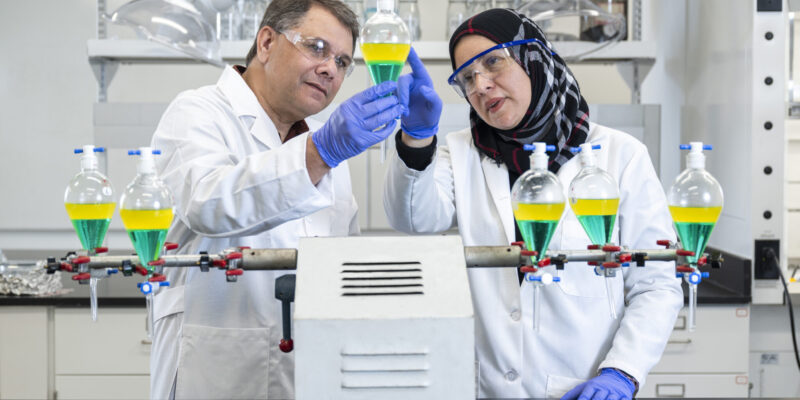
U.S. Department of Commerce awards $38 million to Missouri S&T’s critical minerals Tech Hub
The U.S. Department of Commerce’s Economic Development Administration (EDA) has awarded Missouri S&T’s Regional Innovation and Technology Hub (Tech Hub) $38 million to help rebuild America’s domestic critical minerals supply chain.
Read More »

S&T innovators take ideas to National I-Corps
Three Missouri S&T research teams are taking the next step toward transforming ideas into solutions through the National Science Foundation’s Innovation Corps (I-Corps) program.
Read More »
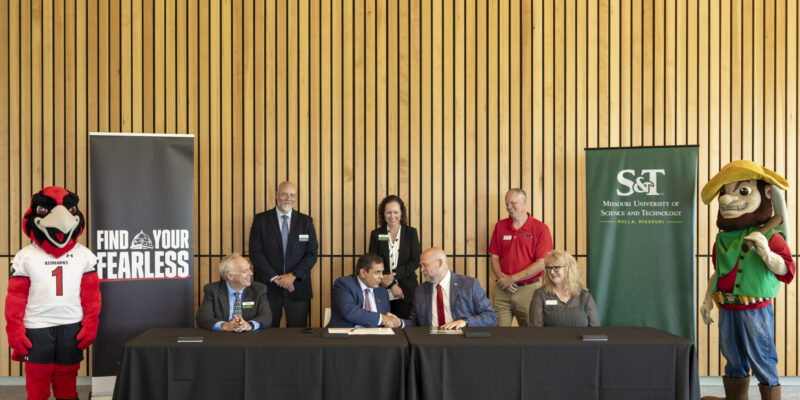
Missouri S&T, SEMO establish engineering partnership
Missouri S&T and Southeast Missouri State University have established a new partnership that will provide students with a streamlined pathway to engineering degrees while expanding access to engineering education in southeast Missouri.
Read More »
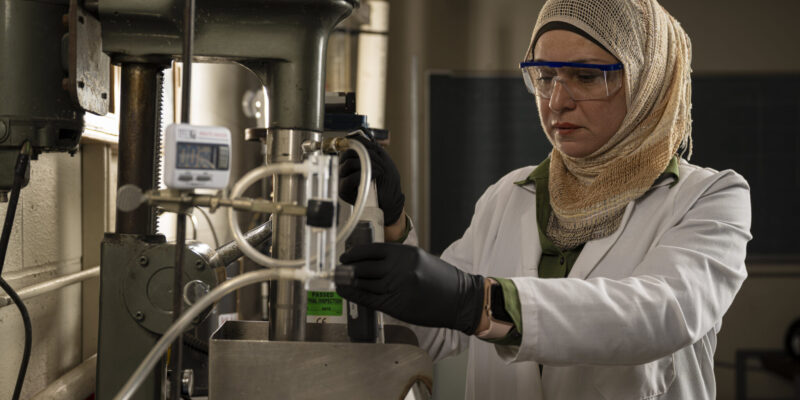
Missouri S&T named core partner in $160 million NSF Critical Materials Crossroads Engine
Missouri S&T will serve as a core partner in the Critical Materials Crossroads Engine, an initiative selected today for up to $160 million through the National Science Foundation’s (NSF) Regional Innovation Engines program.
Read More »
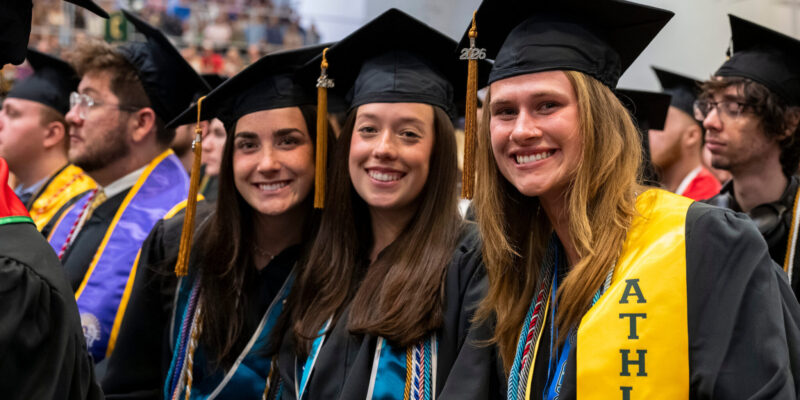
Missouri S&T releases spring 2026 graduation list, dean’s list
The names of recent Missouri S&T graduates and students named to the dean’s list for the spring 2026 semester are now posted on the university’s student honors website.
Read More »

Missouri S&T team featured in ‘Cast in Steel’ Season 1 premiere
A Missouri S&T student team will be featured in the first episode of Cast in Steel, a national student manufacturing competition and YouTube series from the Steel Founders’ Society of America.
Read More »
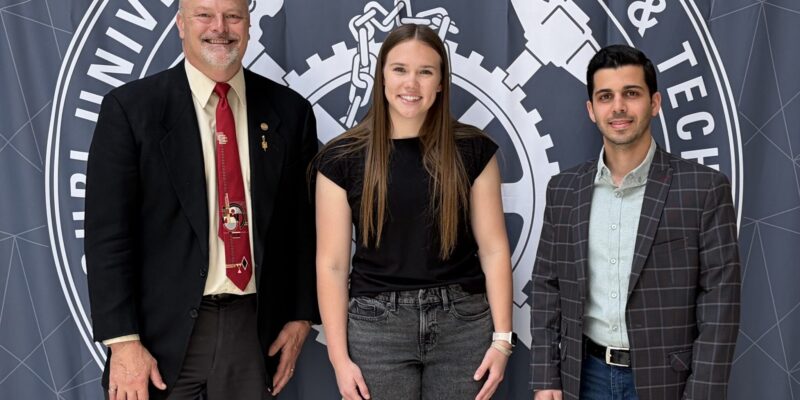
Missouri S&T earns four national awards from civil engineering honor society
Chi Epsilon, the national civil engineering honor society, held its national conference virtually this spring, and Missouri S&T earned recognition in each of the organization’s award categories.
Read More »
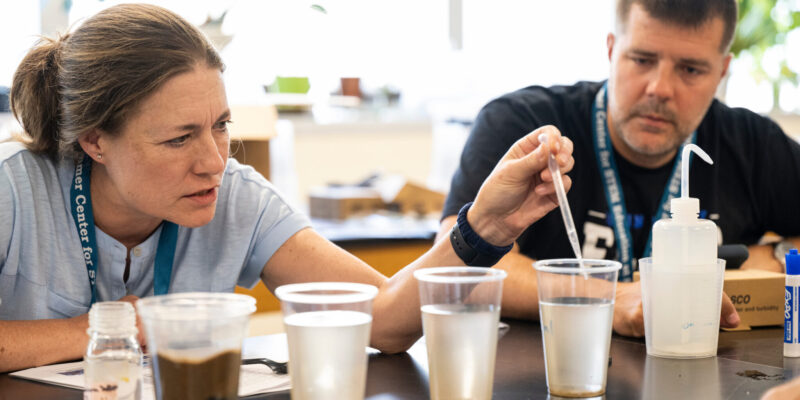
Teaching the teachers
Engineers solve problems. That was the central theme for the weeklong “Engineering A Better Future Teacher Academy” held in June on Missouri S&T’s campus.
Read More »

Advanced manufacturing expert named S&T’s associate vice chancellor for research and innovation
Dr. Ming C. Leu, a leader in advanced manufacturing research for more than four decades, has been appointed associate vice chancellor for research and innovation at Missouri S&T.
Read More » Sports Headlines
- 2026 Miner Athletic Hall of Fame Induction Class Announced
- S&T Men's Basketball Earns Team Academic Excellence Awards; Five Miners Named to Honors Court
- S&T Men's Volleyball Earn AVCA Team Academic Award
- Ten Miners and Both Teams Earn USTFCCCA All-Academic; Fraser Named Scholar Athlete of the Year
- S&T Welcomes Ryan Hunt as New Assistant Track & Field Coach