Teaching the teachers
Posted by Velvet Hasner
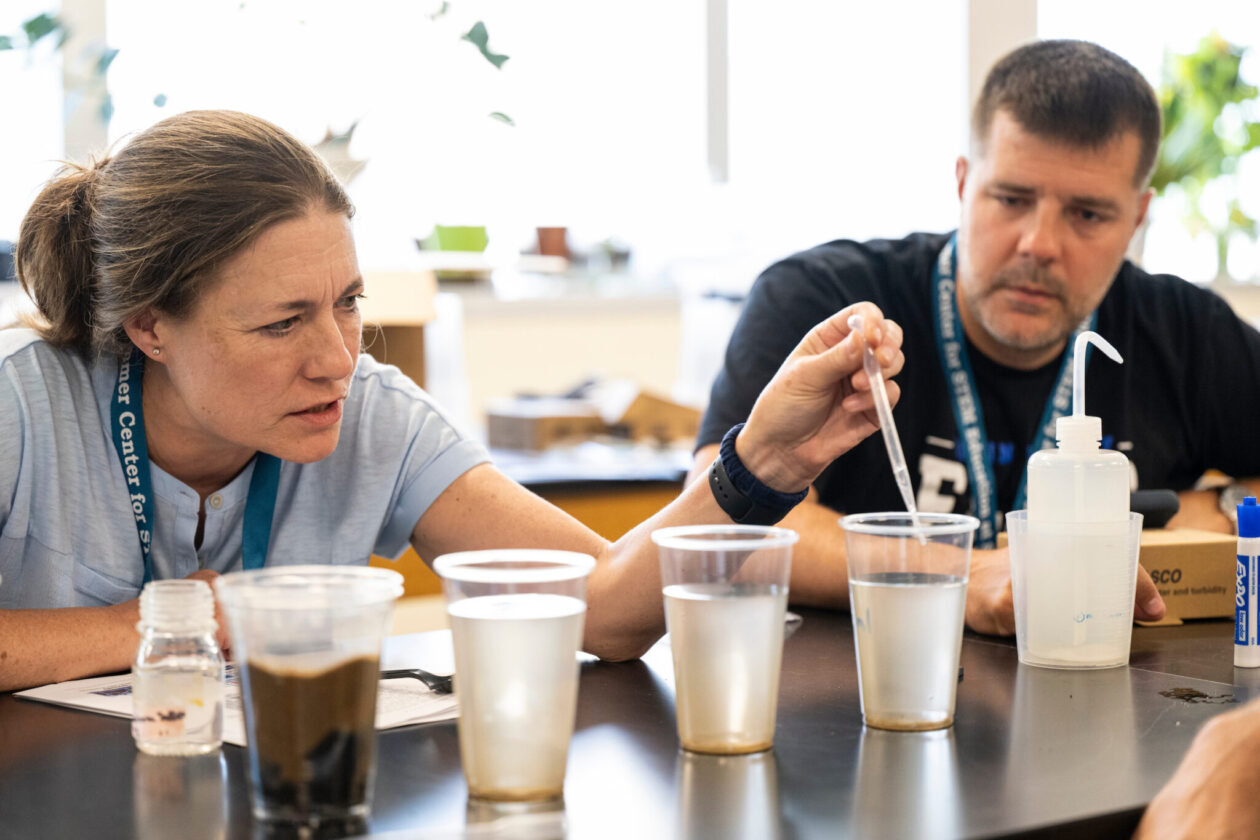
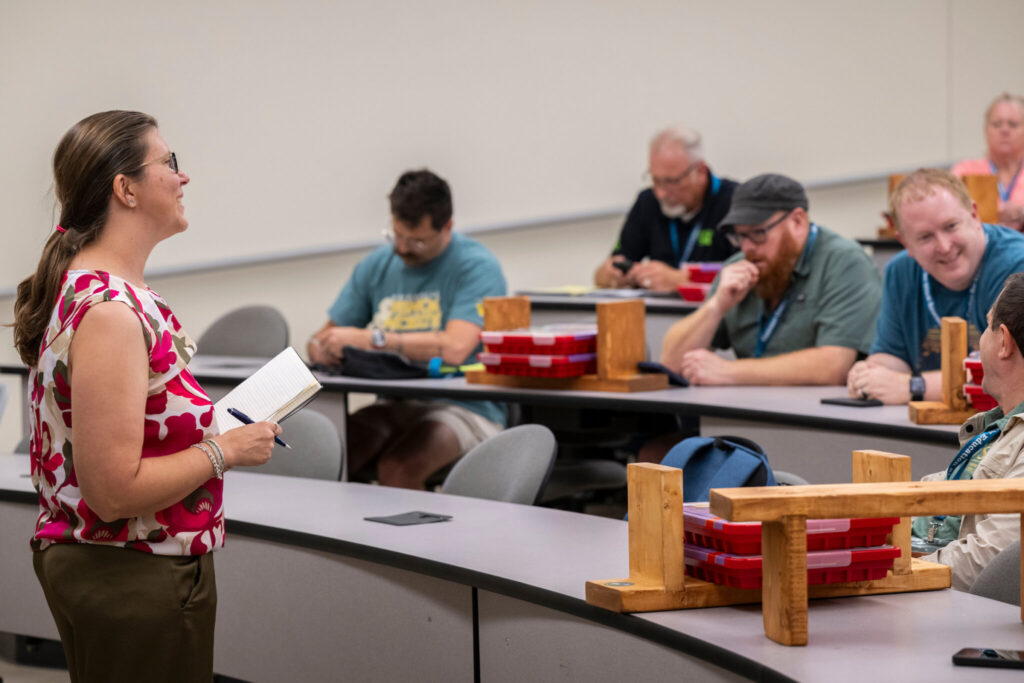
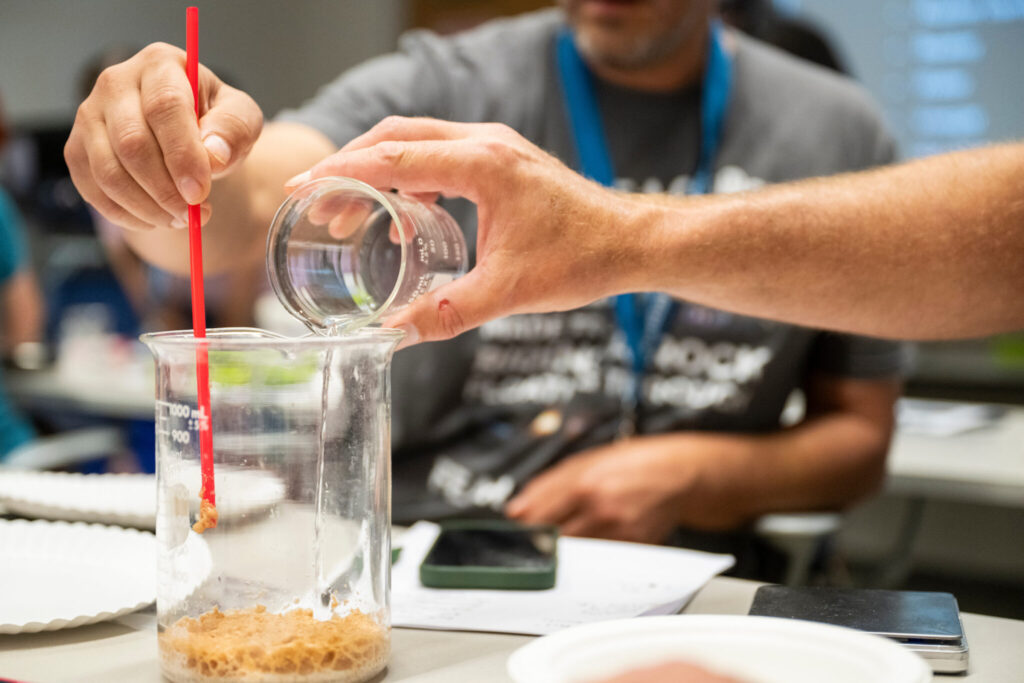
In a lesson on water resources, teachers experiment with using filters and chemicals to clean water. The participants received all the items needed to lead similar hands-on activities in their classrooms. Photo by Blaine Falkena/Missouri S&T
Educators leave summer camp with new outlook, lesson plans and teaching engineering kits
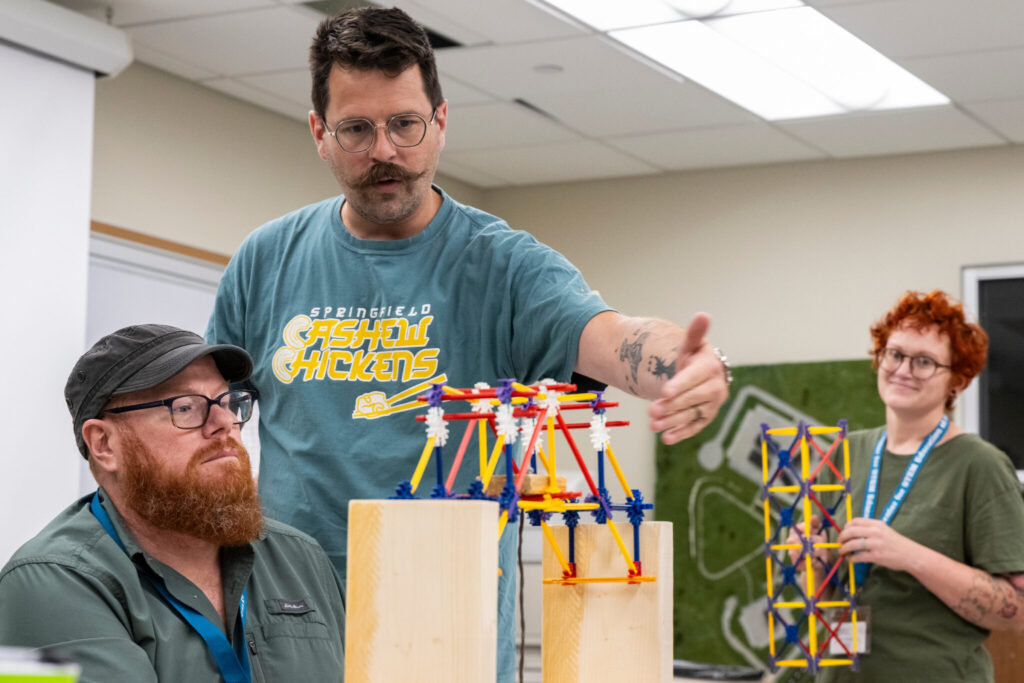
Engineers solve problems.
That was the central theme for the weeklong “Engineering A Better Future Teacher Academy” held in June on Missouri S&T’s campus.
“This week, my mind and my worldview have exploded wide open because now I can see how much the world is affected in every single capacity by engineers,” says Jessey Mook, a middle school teacher at Jarrett STEAM Academy in Springfield, Missouri.
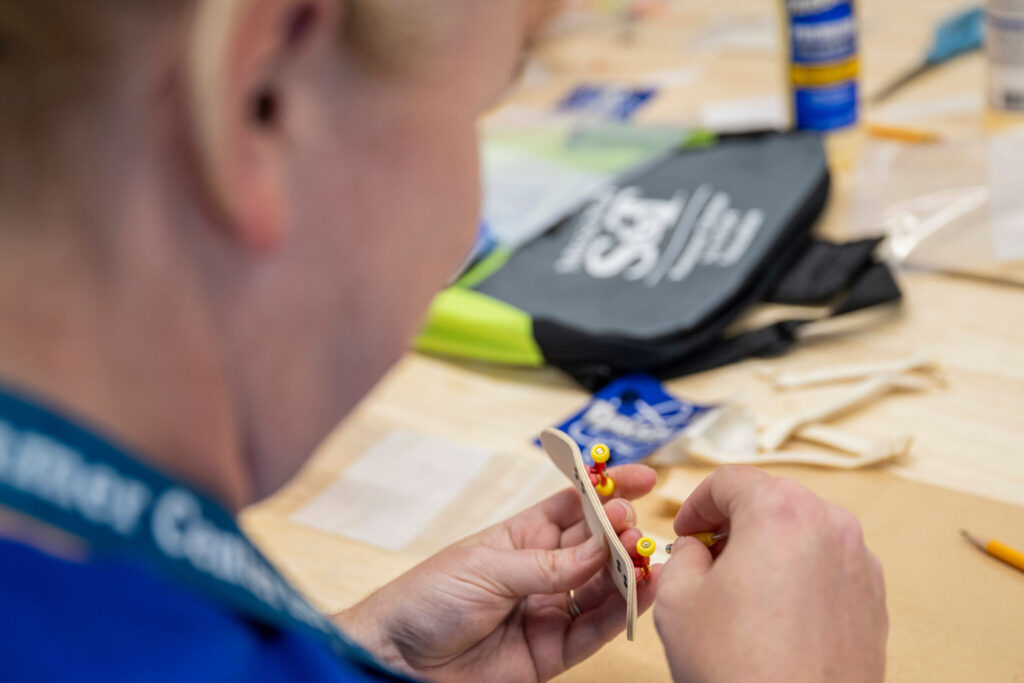
Mook was one of 23 teachers who attended the academy, which was offered free of charge. Each attendee received a $200 daily stipend, continuing education hours, classroom-ready lesson plans and hands-on kits to take back to their schools.
The Missouri Department of Transportation (MoDOT) and American Council of Engineering Companies of Missouri, along with member companies, were lead sponsors and will continue to support the program at S&T for the next two years. The Kummer Center for STEM Education and Director Courtney Jones facilitated the camp in addition to its slate of summer camps for K-12 students.
“Through our support of this initiative, MoDOT is helping Missouri build a stronger engineering workforce,” says Eric Kopinski, a MoDOT engineer and Improve I-70 program director.
With the tools and resources gained during the camp, each teacher will introduce engineering concepts to hundreds of students annually, creating a multiplier effect that extends far beyond the initial group.
“With the need for engineers in the U.S. continuing to rise and the shortage reaching crisis levels, we must do everything we can to provide our state’s educators with the tools and knowledge to promote engineering and STEM careers,” says Dr. Joel Burken, a Curators’ Distinguished Professor and Mathes Endowed Chair of environmental engineering.
Burken said a shortage of 18,000 engineers nationally is projected due to declining college enrollment and increasing retirements. The camp is part of a national push to increase the engineering talent pipeline.
The idea for the teacher academy came from Burken and Morgan Mundell, director of the American Council of Engineering Companies of Missouri (ACEC-MO). The two worked with Dr. Beth Kania-Gosche, chair of education at S&T, to ensure the educational program best served Missouri teachers.
“This experience sparked the teachers’ curiosity,” Kania-Gosche says. “For a week, they got to be the students and ask all the questions!”
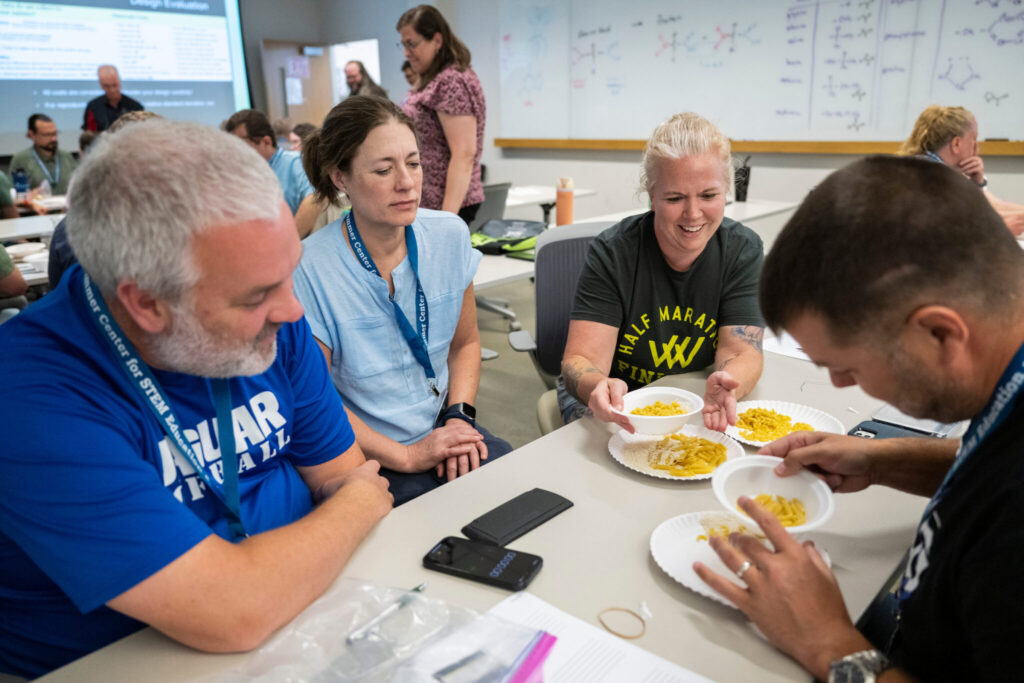
Throughout the week, teachers participated in activities and immersive learning experiences across multiple disciplines, including biomedical, civil, computer, environmental, electrical, mechanical, infrastructure and mining engineering.
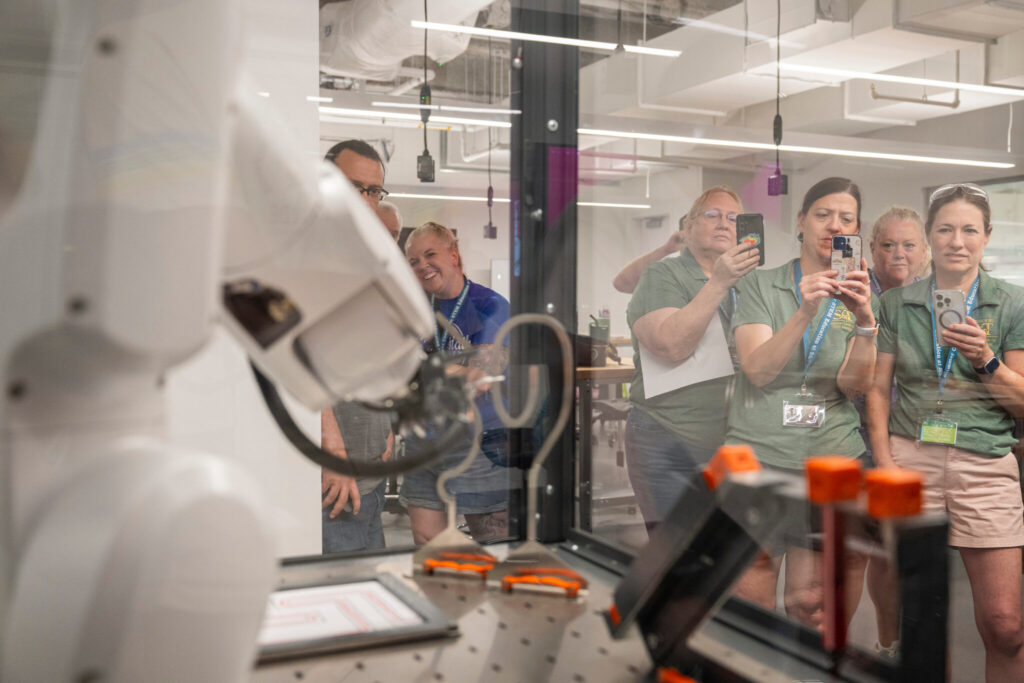
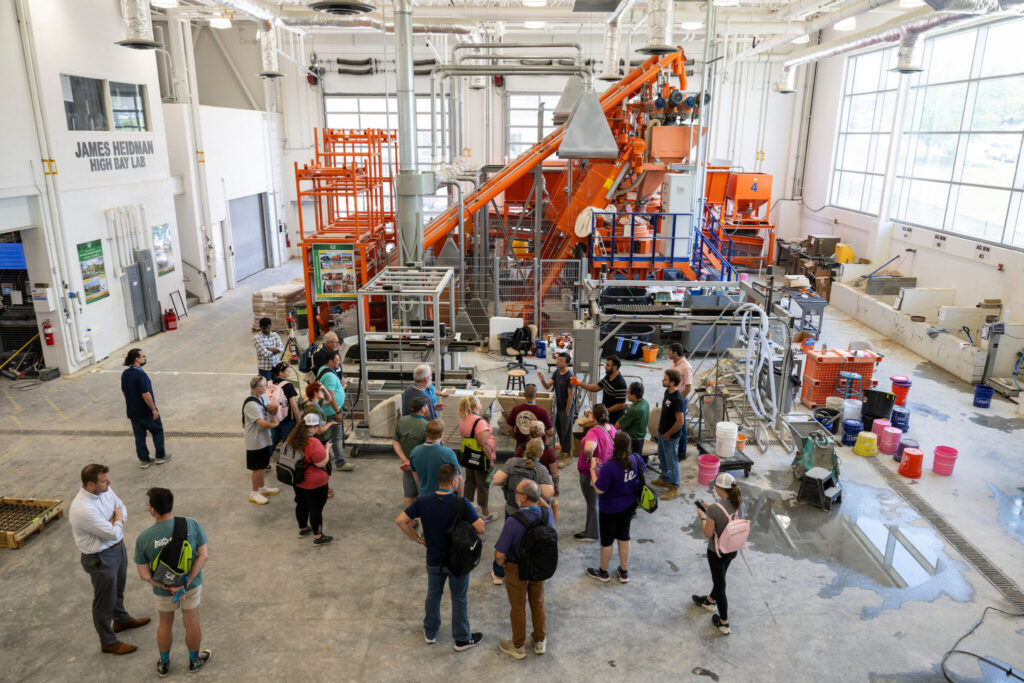
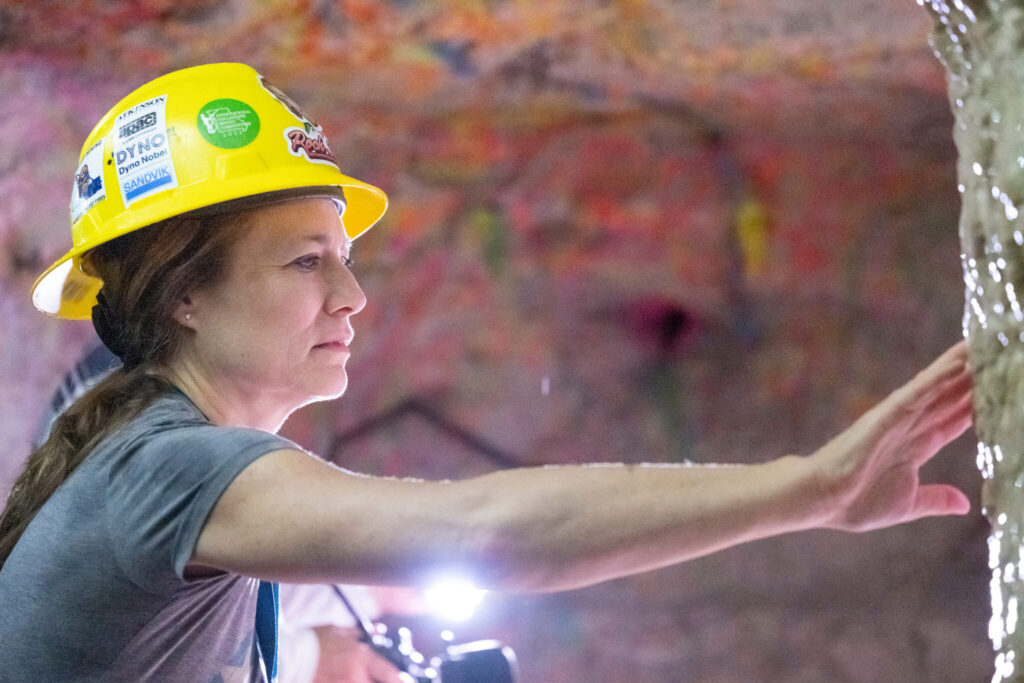
They explored topics such as artificial intelligence, energy production and water systems, while also touring campus facilities including a nuclear reactor, experimental mine, Protoplex advanced manufacturing facility, glassblowing shop and robotics lab.
Burken led a session on global water resources, which included testing and analyzing water from a nearby lake and learning about water purification methods. Each teacher received a water treatment and testing kit that included a spectrophotometer, along with plants from S&T’s green roof to incorporate into classroom lessons.
By combining hands-on experiences with ready-to-use lesson plans, Burken and Kania Gosche noted the academy helps teachers introduce students to the wide range of opportunities within engineering and the impact they can have in society.
“We’re working to change the narrative that engineering is just a math and science field,” he says. “It uses those tools, but at its core, engineering is about solving problems and improving lives. By working through teachers, we can reach students earlier and inspire them to make a difference in their communities.”
For Christina King, an S&T alumnus who teaches engineering and computer science courses at Rolla Technical Institute, the experience offered new perspectives despite her familiarity with the field.
“I thought that coming here would help me understand better what, exactly, I needed to know to teach my students to become engineers,” King says. “I definitely did gain that knowledge and learned more about different engineering fields.”

Posted by Velvet Hasner
 Sports Headlines
- Miners Swim Earns 26th Consecutive Team Scholar All-America; Six Individuals Also Honored
- Edmonds and Fraser Earn GLVC Scholar-Athlete Honors
- Miners Set School Record with 48 Council of Presidents’ Academic Honors
- S&T Sets New Department Standard for Br. James Gaffney Distinguished Scholar Honorees
- Missouri S&T Shatters School Record with 381 GLVC All-Academic Honorees
Leave a Reply