Research stories worth revisiting
Posted by Velvet Hasner

Lev Suliandziga, a Ph.D. student in mechanical engineering, works in a Missouri S&T hydrogels laboratory. Photo by Michael Pierce/Missouri S&T.
In 2025, S&T researchers explored questions that stretch from the smallest atomic interactions to the vastness of space, from the chemistry of everyday spices to the future of artificial intelligence, health care and sustainable manufacturing.
The stories that follow revisit some of the research that made 2025 distinctive. Each highlights a different facet of what it means to be a leading research university, and together they offer a snapshot of the ideas, people and possibilities that define Missouri S&T.
R1 proven
Missouri S&T has achieved the Carnegie Foundation’s highest tier for research. What exactly does it mean?
R1 status is a major factor in attracting the highest caliber of faculty and students, and it will allow S&T to partner with peer universities to secure larger, more prestigious funding awards. Across the nation, there are more than 4,000 degree-granting institutions. Of those, only 187 are recognized as R1 research institutions by the Carnegie Classification of Higher Education.
“Earning R1 status affirms Missouri S&T’s excellence across disciplines and its high-impact research addressing global challenges,” says S&T Chancellor Mo Dehghani. “S&T researchers are committed to driving innovation and addressing the world’s most critical challenges.”
S&T leads NSF center
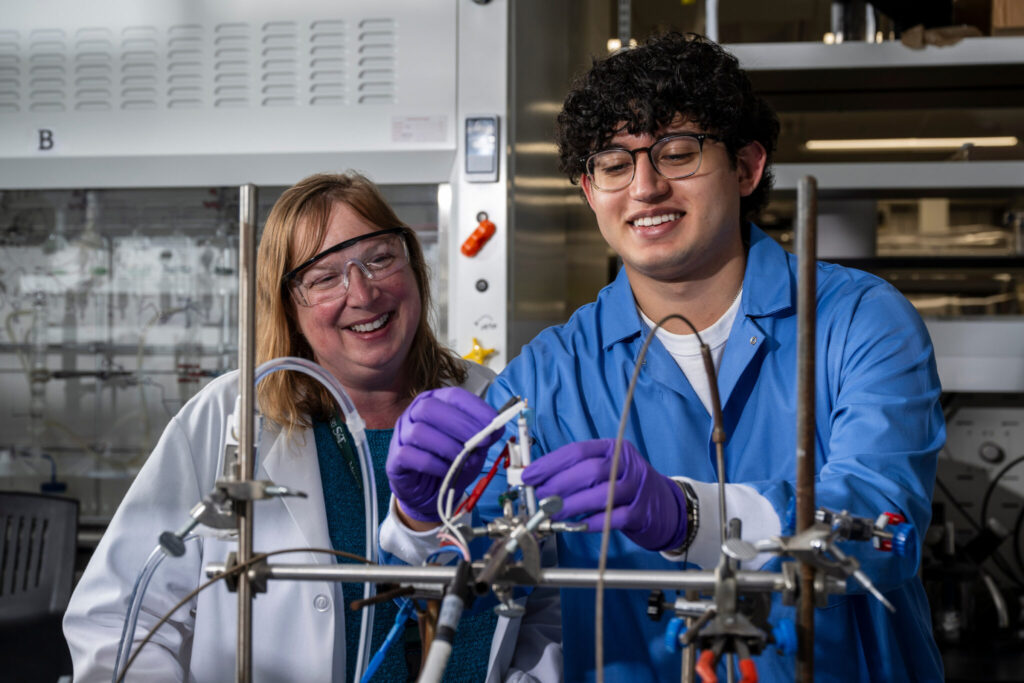
S&T has been awarded a $19.8 million, five-year collaborative agreement from the National Science Foundation to lead the Center for Synthetic Organic Electrochemistry, part of the NSF’s Centers for Chemical Innovation program. The center is hosted by Missouri S&T’s chemistry department and involves 13 partner institutions.
Dr. Shelley Minteer, founding director of the Kummer Institute Center for Resource Sustainability and a chemistry professor at Missouri S&T, leads the NSF-funded center. Its mission is to advance electrosynthesis — using electrical energy to drive chemical reactions — to make chemical manufacturing safer, more cost-effective, and environmentally friendly.
The center brings together electrochemists, synthetic organic chemists, materials scientists and engineers. Minteer emphasizes the broader industrial impact of the work, including benefits to pharmaceutical, agrochemical and personal care sectors.
‘A giant leap’ for moon researchers
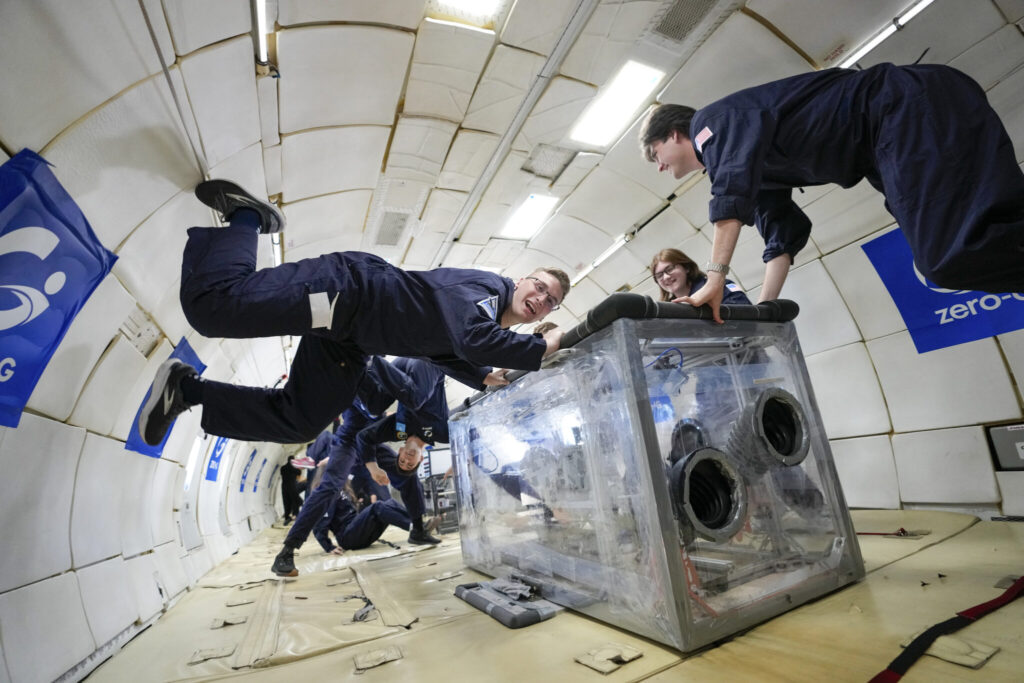
On a Friday afternoon in May, four Missouri S&T seniors donned flight suits and experienced the moon’s gravity as part of a flight-testing project supported by NASA’s Flight Opportunities program. The next day, they traded their suits for caps and gowns and crossed the stage at S&T’s commencement ceremony, each earning a bachelor’s degree in aerospace engineering.
Meanwhile, Ph.D. student Jacob Ortega, also studying aerospace engineering, has been conducting research on extracting aluminum from the moon’s surface with a NASA Space Technology Graduate Research Opportunity award.
In 2025, an S&T researcher challenged a previous scientific assertion that moon temperatures cooled down in April and May of 2020 as a result of inactivity on Earth during COVID-19 lockdowns.
Spicing up research
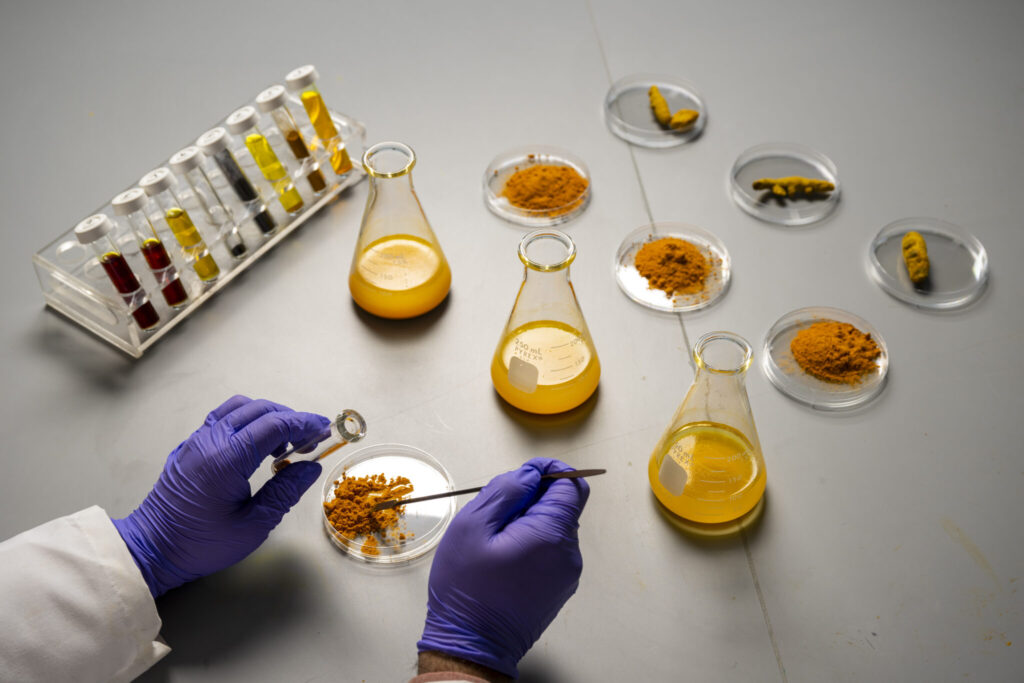
Curcumin — the bright yellow pigment that colors turmeric and gives many curry powders their golden hue — is celebrated for its anti-inflammatory and antioxidant effects, but it breaks down quickly in the body and is difficult to absorb. Dr. Hany El-Azab is trying to change that with his research.
Speaking of spices, ever wonder what gives foods like garlic, horseradish and mustard their strong taste and smell? According to Dr. Pablo Sobrado, it’s the chemical structure of the plant cells signaling and creating defenses. But scientists still don’t completely understand the molecular functions and physiological roles of certain enzymes in similar plants. With a $984,000 grant from the National Science Foundation, Sobrado and his research group will study specific enzymes from plants that synthesize special molecules used for their defense. These molecules are what give some plants unique flavors and nutritional profiles, like the distinct taste of garlic.
PFAs are forever
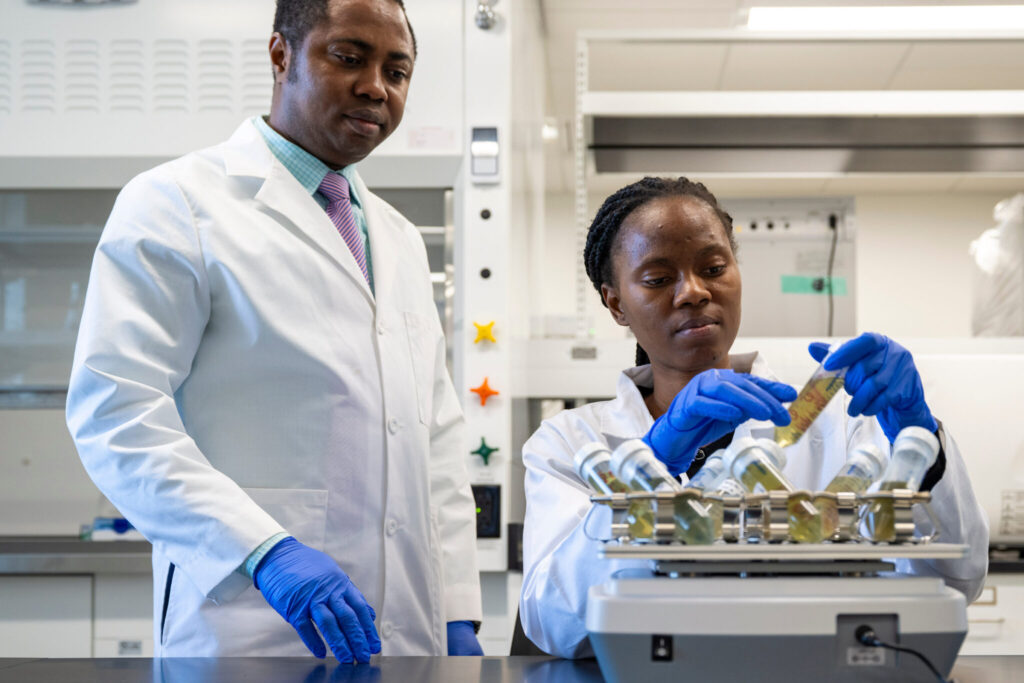
Despite their prevalence, the impact “forever chemicals” have on their environment is an unknown. Technically termed perfluoroalkyl and polyfluoroalkyl substances or PFAS, these are widely used, long-lasting chemicals that break down very slowly over time. They are found in water, air, fish and soil around the world. Margaret Taiwo, a Ph.D. student in chemistry, is examining local fish populations to see how these chemicals collect in tissue and muscle.
Add to your booklist
Not all research happens in a laboratory. Books written by three S&T faculty members were published in 2025, including:
- Dangerous Spirit of Liberty: The Politics of Slaves and Rebels in Early America and the West Indies, 1688-1748, by Dr. Justin Pope, associate professor of history and political science.
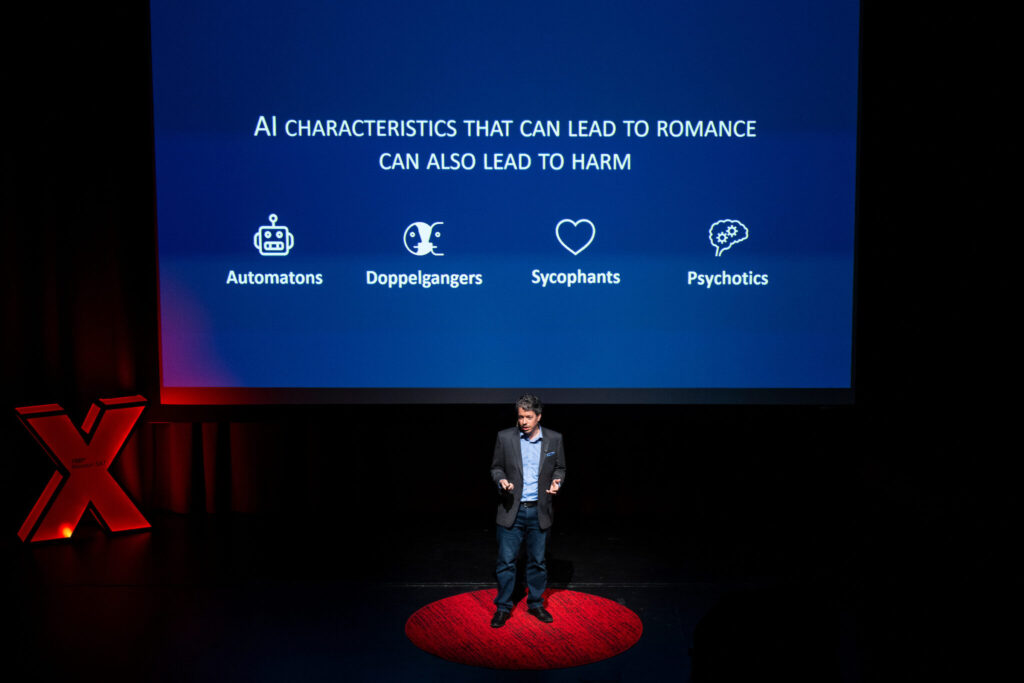
- The Machine Penalty: The Consequences of Seeing Artificial Intelligence as Less than Human, by Dr. Daniel Shank, associate professor of psychological science.
- Night Watch, a collection of short stories by Mathew Goldberg, associate teaching professor of English and technical communication.
Laser-focused on atomic research
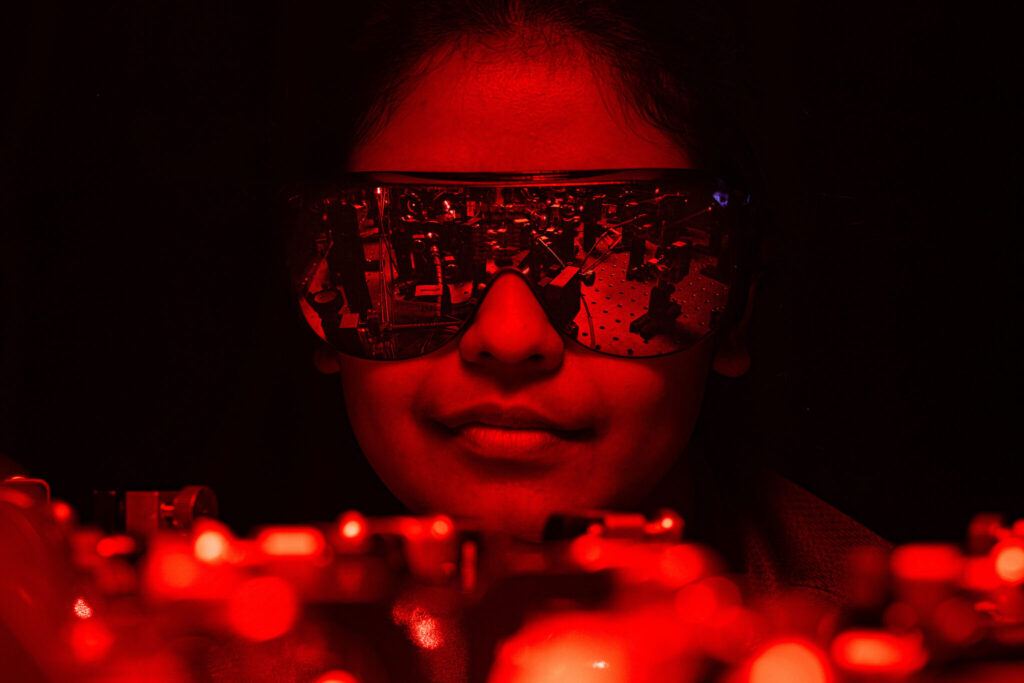
Graduate student Shruti Majumdar is building her Ph.D. dissertation on two award-winning research projects. Both focus on the exploration of the few-body problem – where multiple particles interact in unpredictable ways in ion-atom collisions.
Selected by AAAS
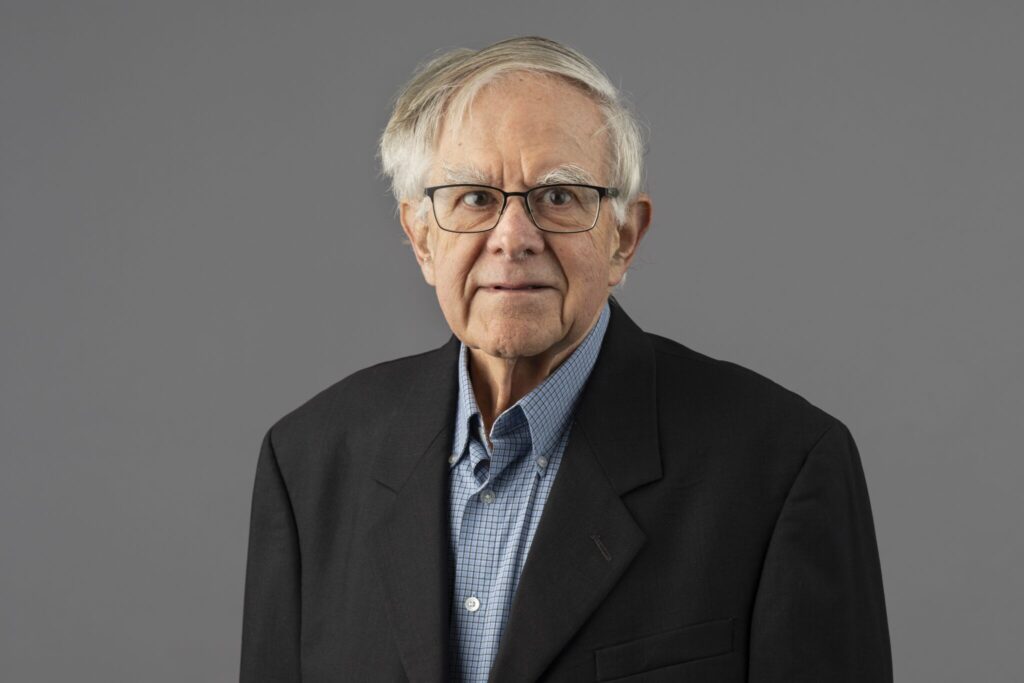
Dr. Gary Long, professor emeritus of chemistry at Missouri S&T, was selected as a Fellow of the American Association for the Advancement of Science (AAAS). Long’s contributions to the fields of physical inorganic and solid-state chemistry include his research using the Mössbauer effect, the atomic process whereby a nucleus emits or absorbs gamma rays without losing energy by recoil.
Charging the cochlear battery
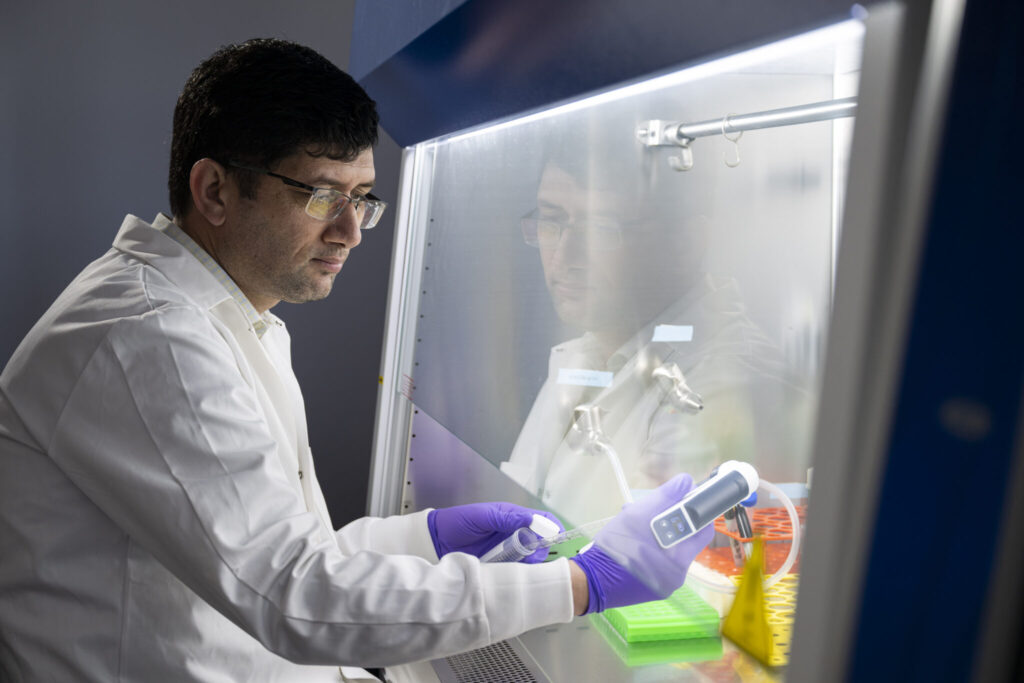
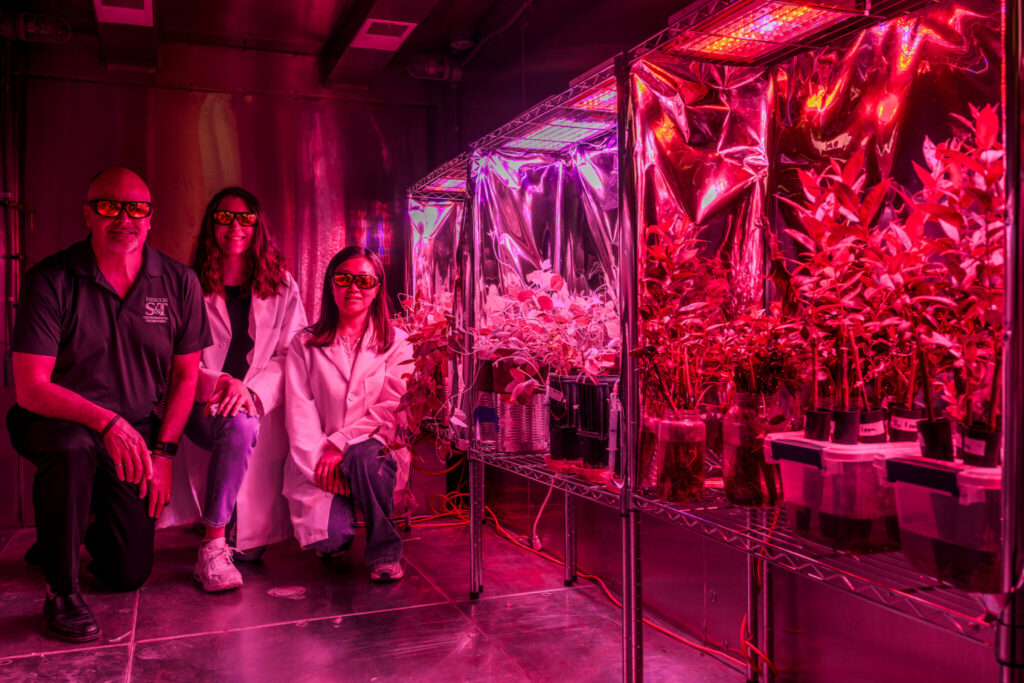
Dr. Parveen Bazard is developing a way to image the inner ear’s electrical activity, which could improve how hearing loss is diagnosed and treated. The inner ear has a tiny “cochlear battery” that helps hair cells convert sound into brain signals, and changes in its voltage may be linked to hearing loss.
Home to highly cited scientists
A total of 90 current and former researchers affiliated with Missouri S&T are among the world’s top 2% most-cited scientists recognized either for their career-long impact or for their 2024 metrics, according to a Stanford University analysis published in September 2025. For career-long impact, 74 Missouri S&T researchers were included in the Stanford listing. For 2024, 60 S&T-affiliated scholars were recognized for their single-year citation impact.
“Think of it this way — only two out of every 100 researchers worldwide make the cut for this list, but at S&T, about 15% of our faculty are included,” says Dr. Kamal Khayat, S&T’s vice chancellor for research and innovation. “That’s an extraordinary proportion and a powerful reflection of the strength and impact of our research community.”
Remanufacturing for the future
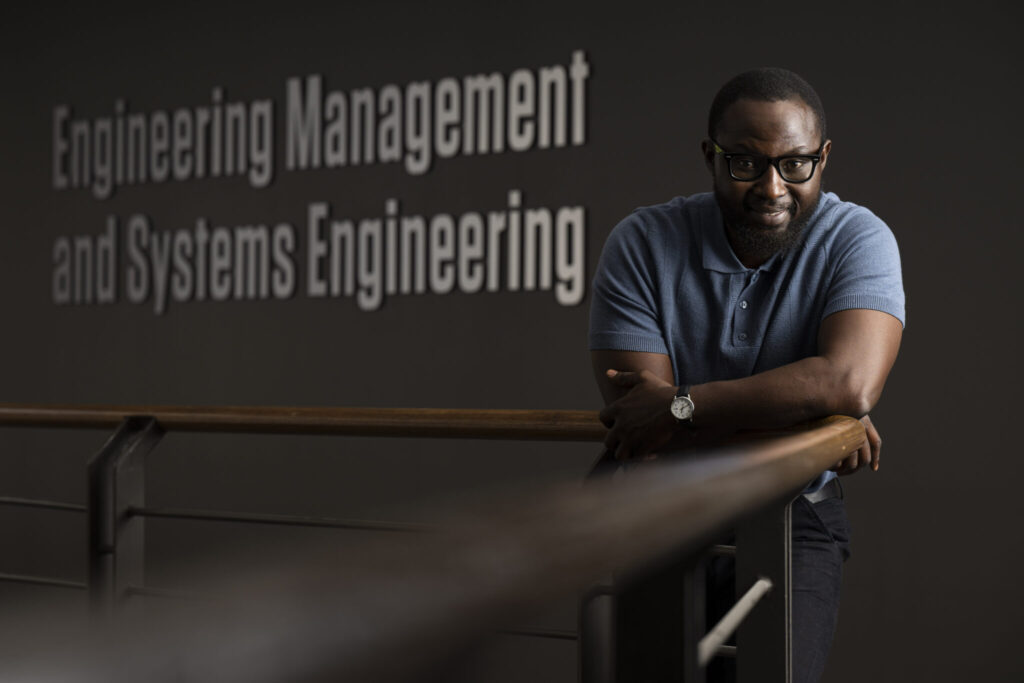
Dr. Joshua Adu Afari, who earned a Ph.D. in engineering management from S&T in 2025, published NSF-funded research about a new model to help manufacturers reduce carbon emissions and cut costs without requiring more resources. Afari’s research focused on “remanufacturing,” the process of restoring used products such as machinery parts so they can be used again.
Moving big data
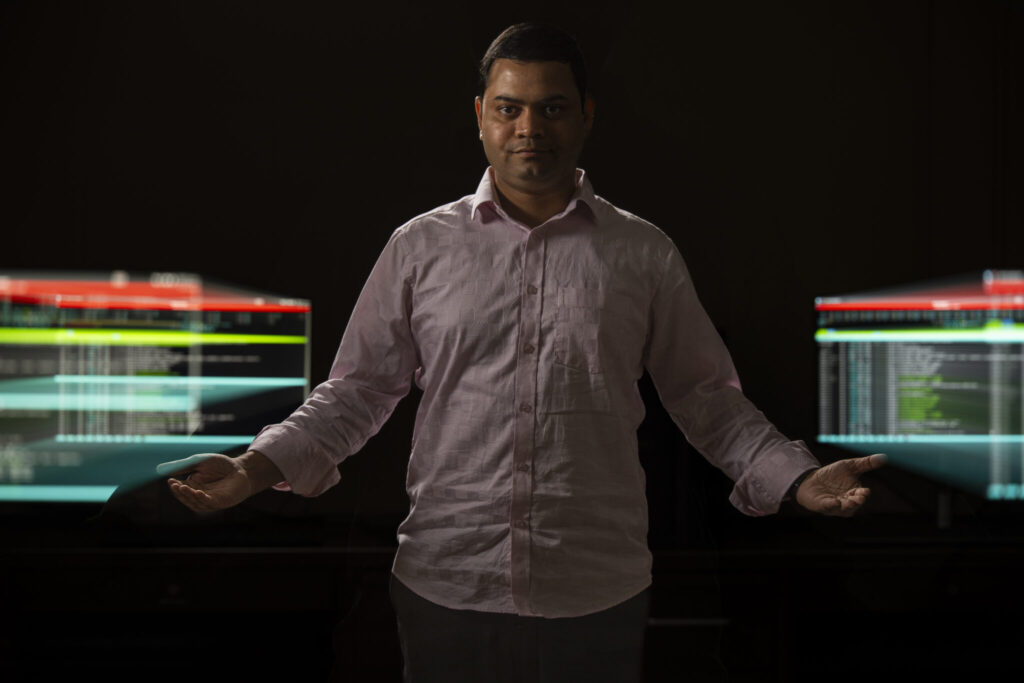
Backed by a $175,000 grant from the National Science Foundation, Dr. Md Arifuzzaman, an assistant professor of computer science, is working to develop a new data transfer tool.
His new system will include offline training of artificial intelligence programs that learn by practicing with real network data in simulated network conditions and allowing it to learn and make decisions throughout its journey. This work is a continuation of his doctoral research on the same topic, which earned him top honors in the international Data Mover Challenge competition.
Treating TBIs
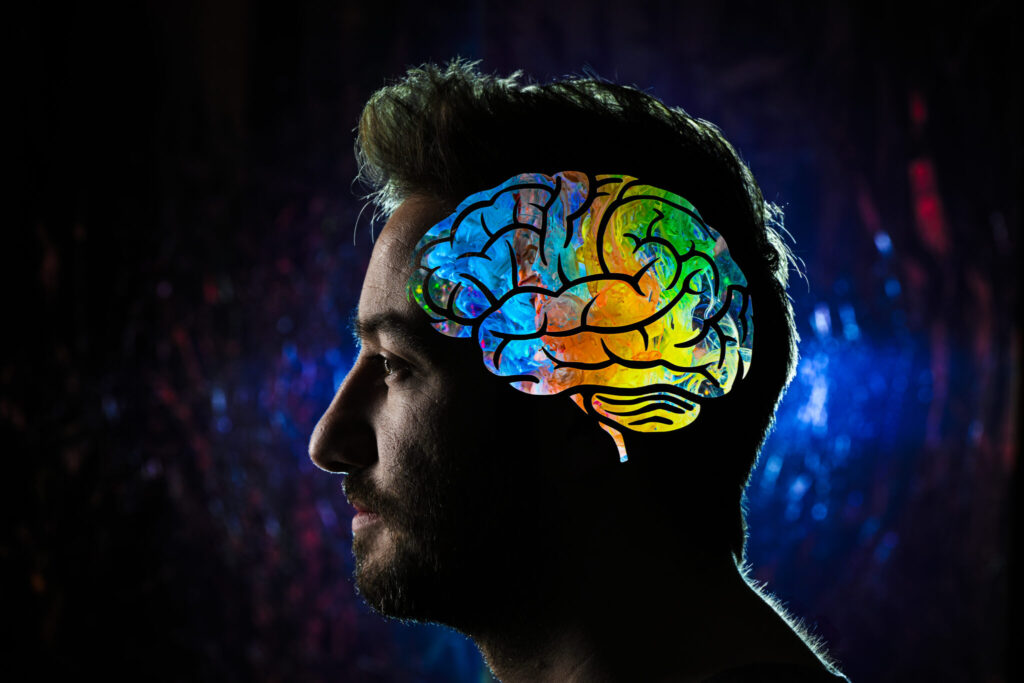
Researchers are studying how traumatic brain injuries (TBIs) trigger long-lasting chemical damage after the initial blow. They developed a new material — thiol-containing polymers — to neutralize these damaging molecules in mice. In experiments, the thiol polymers concentrated in injured brain tissue, dramatically reduced oxidative stress, and protected proteins and neurons from further harm.
Whittling down the waitlist
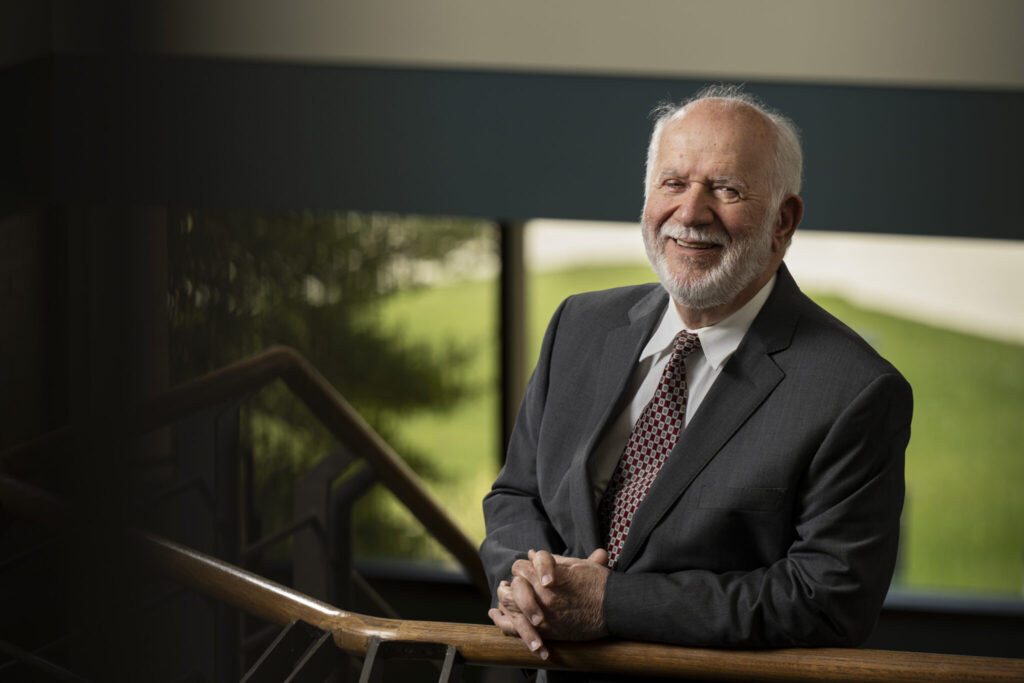
Nearly 90,000 people in the U.S. are waiting for kidney transplants, yet many donated kidneys never reach a recipient. Researchers from Missouri S&T are improving that with artificial intelligence. A team created software to improve kidney allocation by assisting organ procurement organizations in determining which kidneys will be difficult to place.
Using 3D printing for tissue engineering
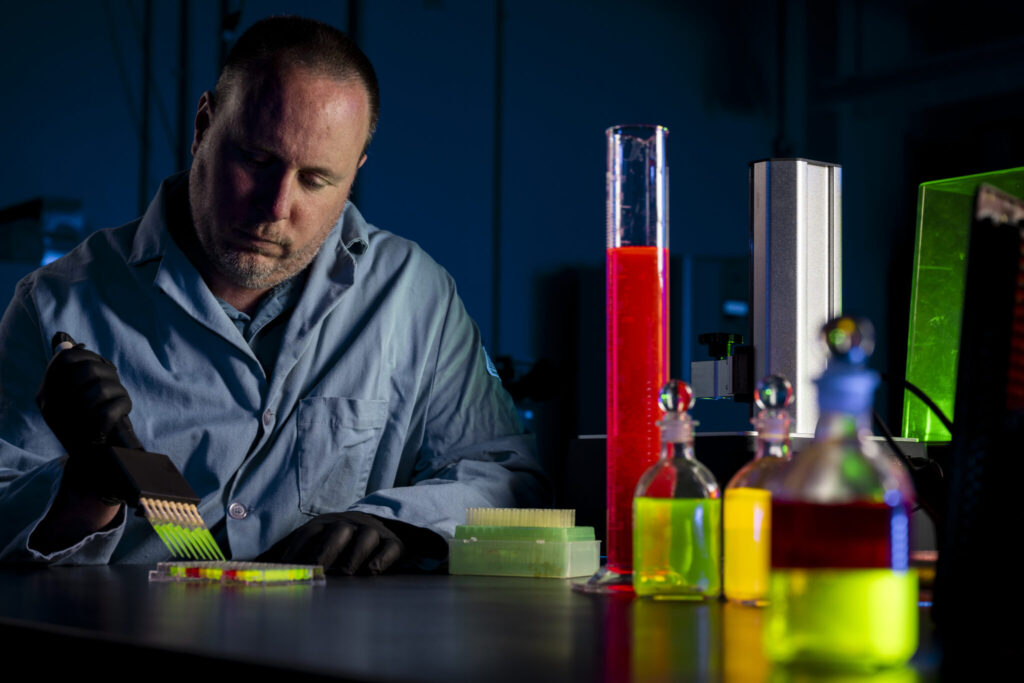
Dr. Anthony Convertine’s research team developed a light-based 3D-printing method that could speed up and simplify the process of making organs-on-a-chip — small tissue-like devices that are used for medical research and drug testing.
“The human body has about 37 trillion cells, and nearly every one must be close to a capillary to survive,” says Convertine, an associate professor of materials science and engineering. “Re-creating those dense microcapillary networks is a major engineering challenge for tissue engineering, but our work offers a path toward overcoming that barrier.”
Gauging America’s perception on critical minerals
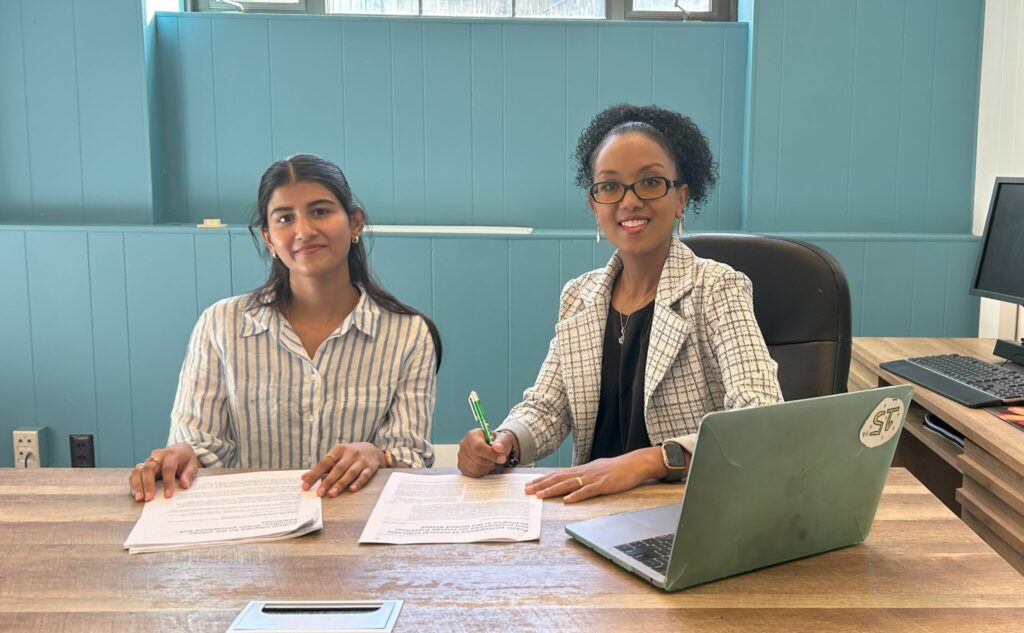
Critical minerals such as lithium, cobalt and copper are essential for an energy transition away from fossil fuels — but America’s perception of their importance isn’t fully understood, which can slow progress. S&T researchers conducted a survey on the topic.
“A lot of people agree in trying to address climate change, but do they necessarily associate that with mining? Not a lot of them,” says Dr. Mahelet Fikru, professor of economics. “They want solar panels and to protect the environment. But these things require huge amounts of minerals, and we have to mine them. What do people think about that, and would their perception of those things change?”
Bridge-inspecting BIRDS
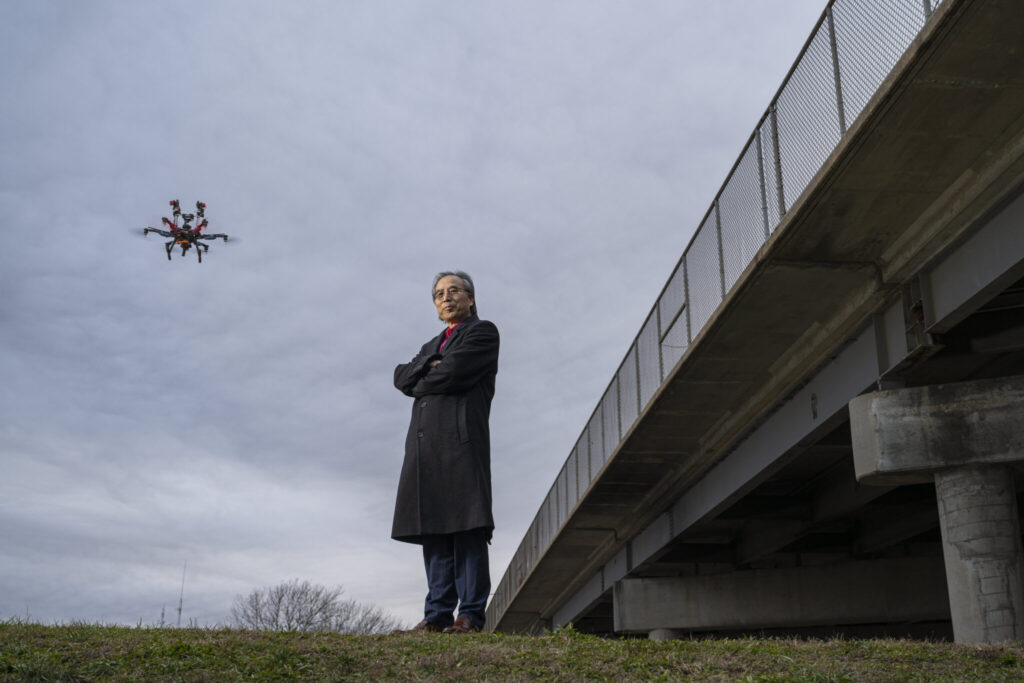
Dr. Genda Chen, civil engineering researcher, developed the Bridge Inspection Robot Deployment System, or BIRDS, to make bridge inspections faster, safer and more comprehensive. The project earned the American Society of Civil Engineers 2025 Charles Pankow Award for Innovation.
Steeling the show
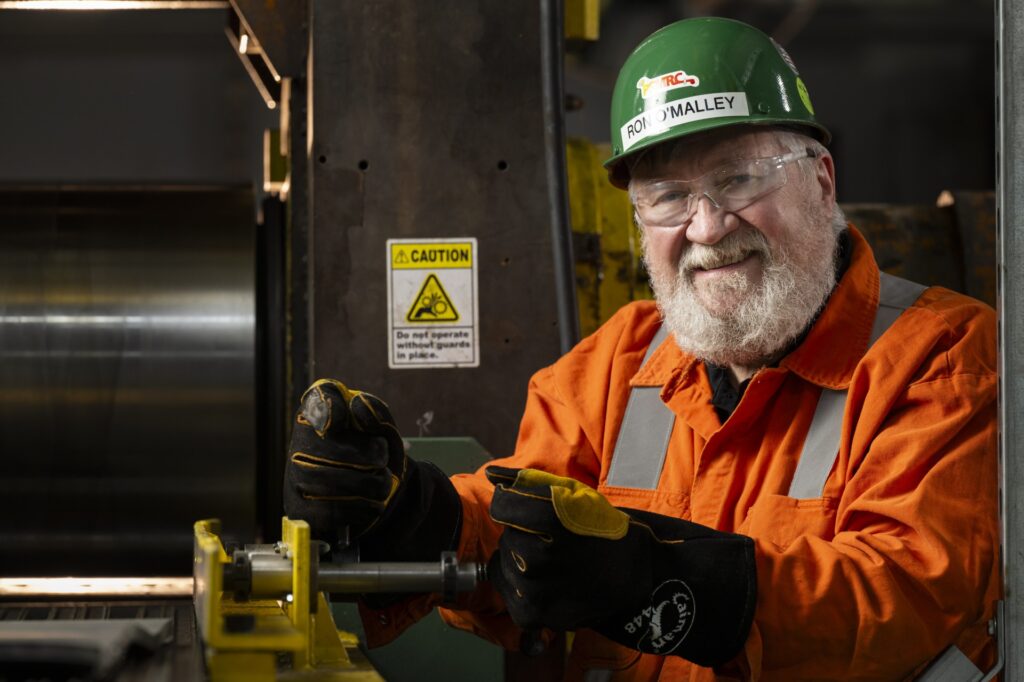
The Association for Iron & Steel Technology presented Dr. Ronald J. O’Malley with the 2025 Tadeusz Sendzimir Memorial Medal for Innovation in Steel Manufacturing Technology. O’Malley was selected for his work using optical fiber sensors to monitor temperature and strain in steelmaking — enabling real-time data collection across a range of extreme-environment applications in the steelmaking industry.

Leave a Reply