S&T innovators take ideas to National I-Corps
Posted by Kaitlin Brothers
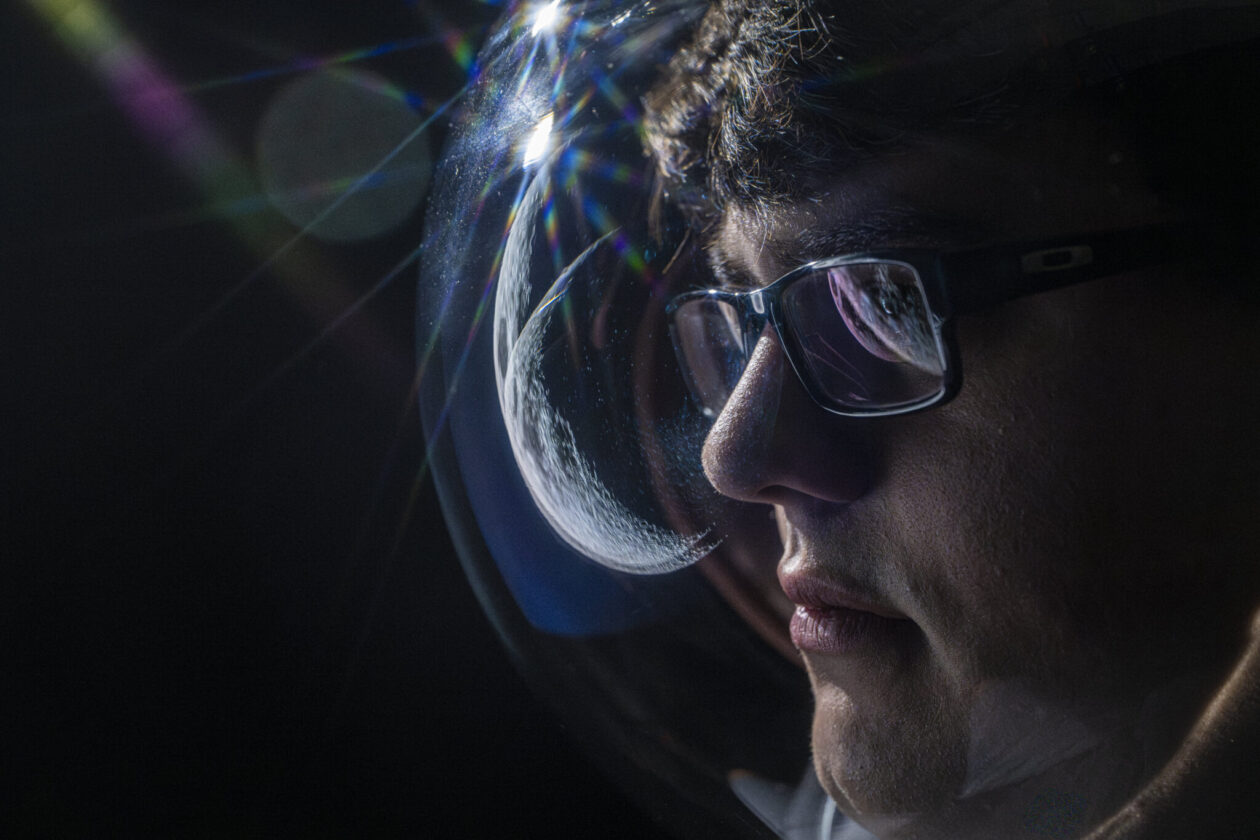
Space Resources is the research team led by Jacob Ortega, Ph.D. student in aerospace engineering (pictured) and Dr. Frank Han, associate professor of mechanical and aerospace engineering. They are investigating technologies to support mining metals from the moon’s surface. Photo by Michael Pierce/Missouri S&T.
Three Missouri S&T research teams are taking the next step toward transforming ideas into solutions through the National Science Foundation’s Innovation Corps (I-Corps) program, led by Dr. Sajal Das, professor of computer science at S&T.
The S&T teams behind Kinebotic, I-Haul and Space Resources have been invited to participate in the program, in which they will conduct more than 100 customer discovery interviews to better understand market needs, potential customers and pathways for bringing their technology startups into the world.
“National I-Corps gives researchers the opportunity to move beyond the laboratory and understand how their innovations can solve real problems,” says Dr. Christine Karslake, associate vice chancellor of innovation, entrepreneurship and commercialization at S&T. “These teams are demonstrating the entrepreneurial mindset needed to translate research into meaningful impact.”
Kinebotic, led by Mitch Woodside, Ph.D. student in mechanical engineering, and Joseph Fischer, Ph.D. student in mechanical engineering, is developing advanced robotics technology for high-accuracy robotic systems. Dr. Doug Bristow, professor of mechanical engineering, is the faculty advisor.
I-Haul, led by Anurag Satpathy, postdoctoral fellow in computer science; Debjyoti Sengupta, Ph.D. student in computer science; and Mahmuda Akter, Ph.D. student in computer science, is exploring how aerial transportation could improve the movement of organs for transplant. Das is the faculty advisor.
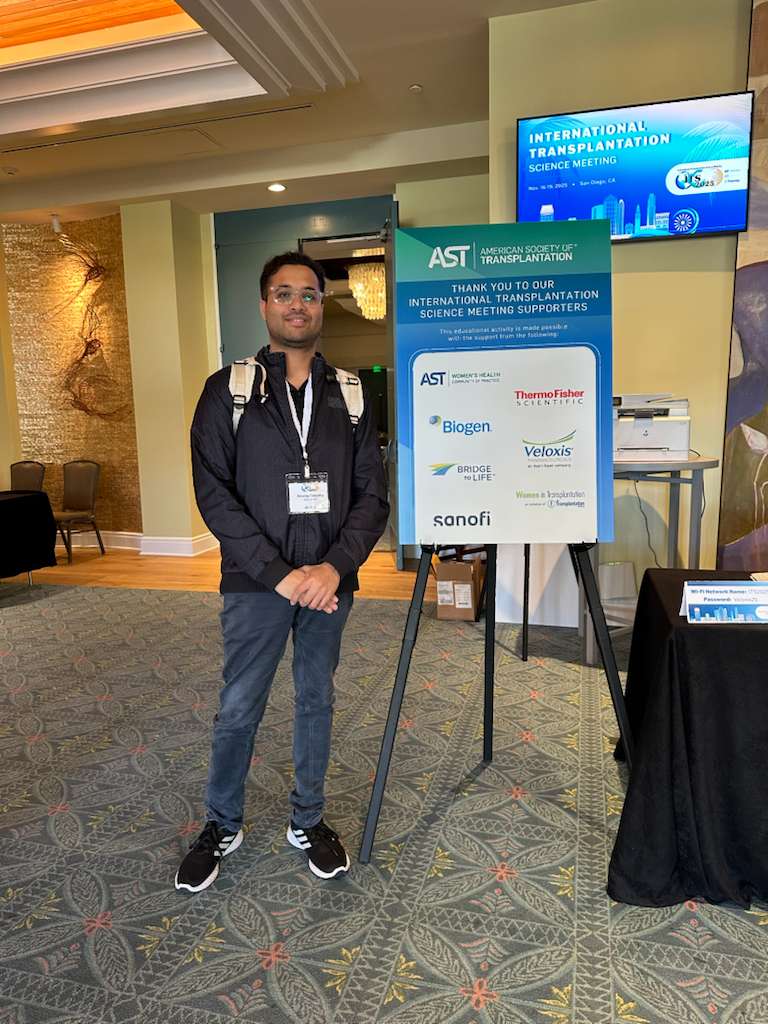
Space Resources, led by Dr. Frank Han, associate professor of mechanical and aerospace engineering, and Jacob Ortega, Ph.D. student in aerospace engineering, are investigating technologies to support mining metals from the moon’s surface. Han is the faculty advisor.
Satpathy says the National I-Corps experience represents an opportunity to explore whether a research idea can become a practical solution for one of healthcare’s most time-sensitive challenges.
“I-Corps encouraged us to move beyond purely technical questions and ask more practical questions: Who faces challenges today? What are the biggest pain points? Who would use or support this solution?” says Satpathy. “We wanted to learn directly from the people working in this space and shape I-Haul into something that could make a real difference.”
Each team has to conduct 100 customer discovery interviews through the I-Corps program local to S&T, the NSF I-Corps Hub: Great Lakes Region and the I-Corps BOOST program.
“We were drawn to the National I-Corps program because it approaches customer discovery through the scientific method, allowing us to apply a familiar process to business development,” Ortega says. “We are excited to learn how to actively listen to customers, challenge our assumptions and adapt our technology based on real market feedback so we can build solutions that create lasting value.”
“As researchers, we often focus on solving technical problems, but this experience is teaching us to first listen to people, understand their pain points and then shape the technology around real needs,” says Satpathy.
For the Kinebotic team with Woodside and Fischer, they see I-Corps as an opportunity to learn about entrepreneurialism in a medium they could understand: the scientific method.
“I-Corps is great because it treats business development as a hypothesis to be tested,” Woodside says. “Much like academic research, the goal isn’t about picking a perfect hypothesis, it’s about developing a systematic and unbiased way to prove or disprove your assumptions and gaining a deeper understanding of the problems people really care about being solved.”
Through I-Corps, the teams are gaining a systematic way to decrease business risks and ensure they are building technologies people want.
“As engineers, it’s easy to get caught up in building something simply because it’s a cool technical challenge. I-Corps forces us to align our engineering output with market demand,” Woodside says.
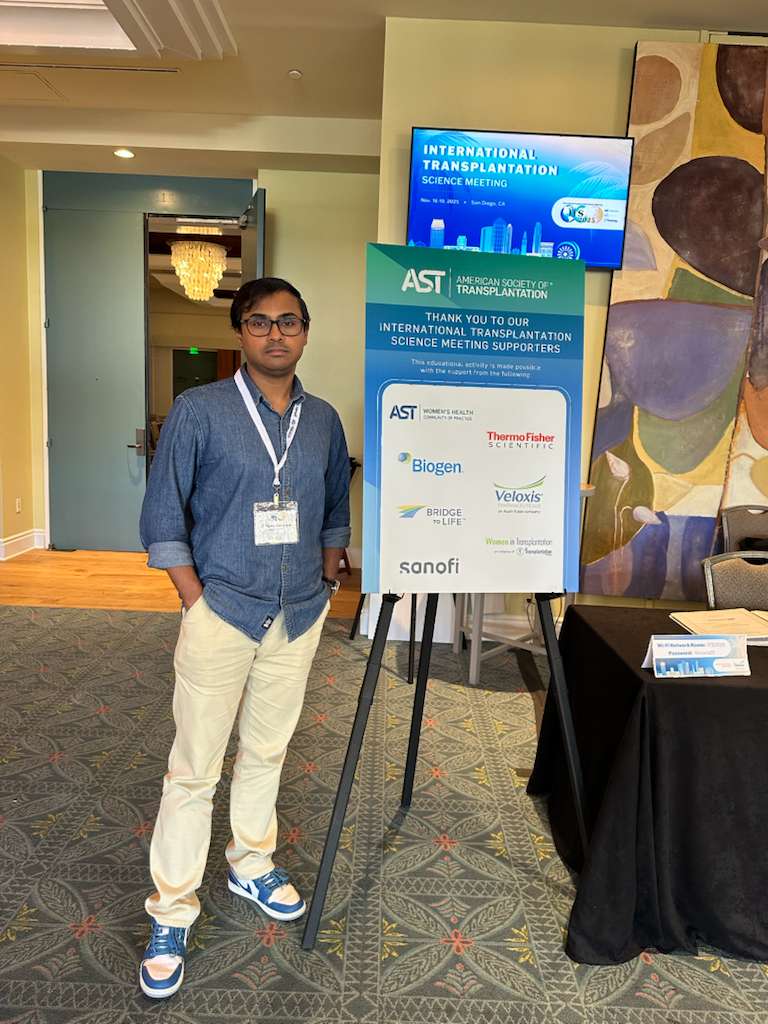
S&T has supported the teams through resources that encourage entrepreneurship and technology commercialization.
“Missouri S&T, and especially Christine Karslake, played an important role in helping us get our startup off the ground,” Ortega says. “Through the Early Stage Accelerator program, we essentially received a crash course in entrepreneurship that introduced us to the fundamentals of building a company, evaluating a business opportunity and preparing for commercialization.”
For the three teams, the goal is clear: turn research discoveries into solutions that can make an impact beyond campus.
“Our goal is to use the program as the right stepping stone toward building I-Haul into a real startup,” Satpathy says. “Yes, we all would like to become successful entrepreneurs but more importantly, we want to build something meaningful that can create real impact.”
In addition to the three teams participating in the National I-Corps program, Dr. Mina Esmaeelpour, assistant professor of electrical and computer engineering, and her team have been selected to participate in the NSF I-Corps for the Quantum+X program, a specialized national cohort designed to accelerate the commercialization of quantum technologies.
Esmaeelpour will participate alongside David Engel, a Ph.D. student in physics, and Christine Karslake During the five-week program, the team will conduct more than 100 customer discovery interviews.
“We’re excited to connect with industry, learn from potential users and explore how our technologies could help address real-world challenges,” Esmaeelpour says. “The opportunity to engage directly with customers and experts is an important step toward translating our work into technologies that benefit society.”

Posted by Kaitlin Brothers
 Sports Headlines
- S&T Welcomes Ryan Hunt as New Assistant Track & Field Coach
- Missouri S&T Closes 2025-26 Season Atop Division II for Academic All-America Selections
- Cross Country Announces 2026 Season Schedule
- S&T Sydney Morris Earns Second Team Academic All-America
- Fraser Named CSC Academic All-America Team Member of the Year, Joins Born and Knittel on First Team
Leave a Reply