Tag: research
90 researchers affiliated with S&T among top 2% cited scientists in their fields
A total of 88 current and former researchers affiliated with Missouri S&T are among the world’s top 2% most-cited scientists recognized either for their career-long impact or for their 2024 metrics, according to a Stanford University analysis of the Elsevier Data Repository.
Read More »
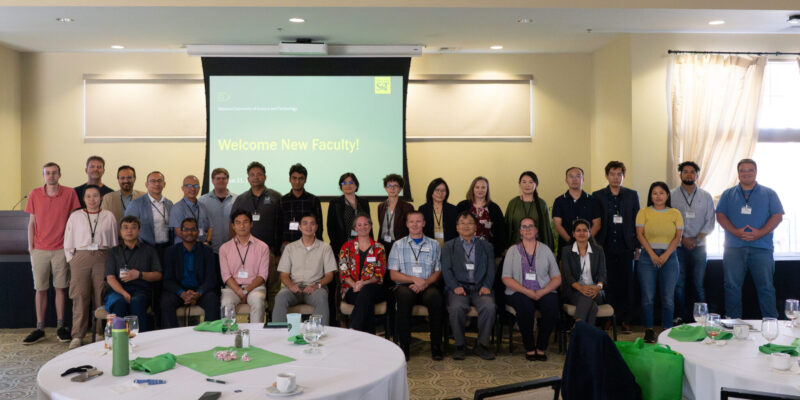
S&T welcomes new faculty
Missouri S&T welcomed over 30 faculty members this year. They bring a wide range of expertise that includes applications for artificial intelligence (AI) in health care, biomedical engineering, concrete sustainability, nuclear reactor safety and semiconductor design. The new faculty are:
Read More »
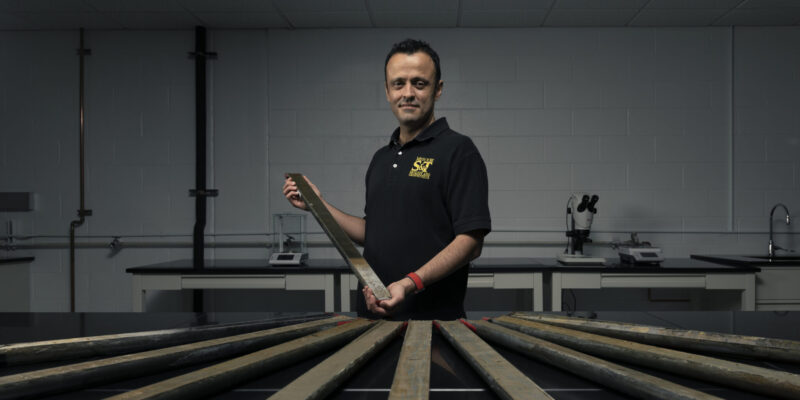
Missouri S&T geologist selected as Fulbright Scholar
A Missouri S&T researcher who studies the geology of regions affected by ancient earthquakes has been selected as a Fulbright U.S. Scholar.
Read More »
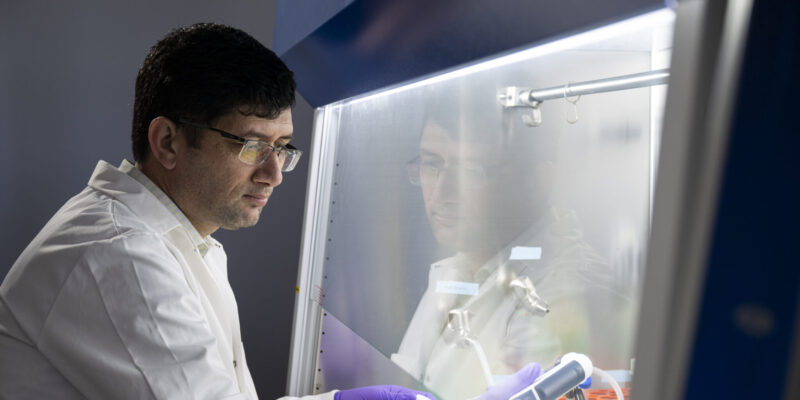
Seeing the ear’s battery: S&T research targets hearing loss diagnosis, treatments
It’s a common scene: Someone speaks, but listeners with hearing loss may find themselves asking “What?” or “Huh?” again and again. For millions of people, this happens every day, and it’s something Dr. Parveen Bazard, a Missouri S&T researcher, hopes to improve.
Read More »

Man of steel: Missouri S&T graduate confirms new methods to reduce steel defects
When ultra-strong steel parts are made for vehicles, military equipment and heavy manufacturing, a single crack or distortion during production can lead to costly delays and wasted materials. A recent Missouri S&T Ph.D. graduate says his research offers new methods to potentially reduce these issues.
Read More »
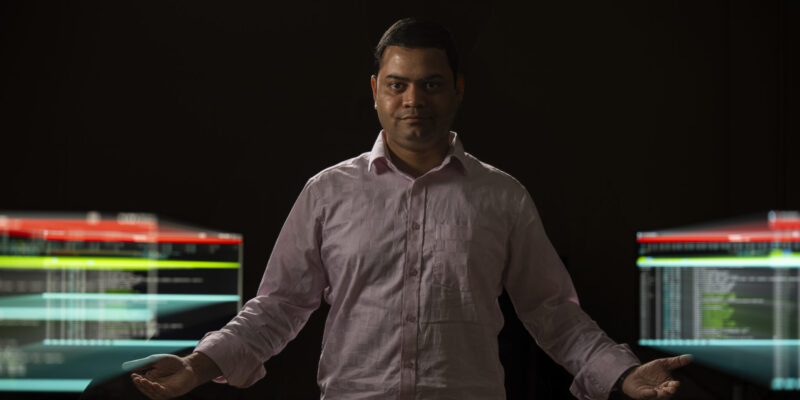
Big data: S&T researcher paving new paths for more efficient transfers
When long-haul truckers hit the road with their freight, they often rely on GPS to help them find the best possible routes and adjust in real time. So why can’t the online systems for transferring large datasets, which typically rely on predetermined settings and don’t adjust in real time, take a similar approach?
Read More »

Why predicting battery performance is like forecasting traffic − and how researchers are making progress
Lithium-ion batteries are quietly powering large parts of the world, including electric vehicles and smartphones. They have revolutionized how people store and use energy. But as these batteries become more central to daily life, they bring more attention to the challenges of managing them and the energy they store safely, efficiently and intelligently.
Read More »
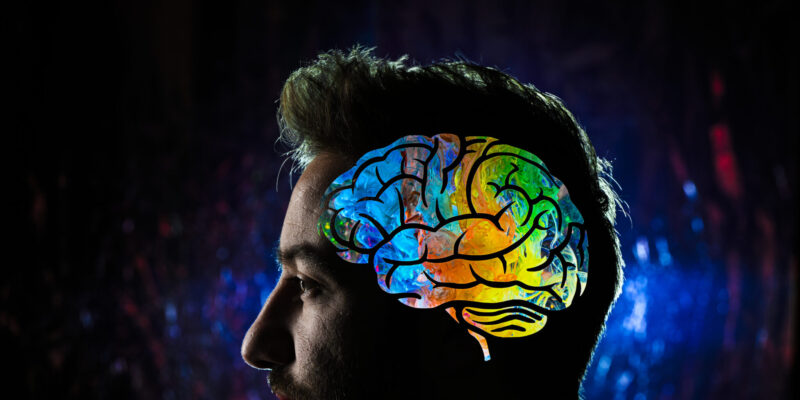
Traumatic brain injuries have toxic effects that last weeks after initial impact − an antioxidant material reduces this damage in mice
Traumatic brain injury is a leading cause of death and disability in the world. Blunt force trauma to the brain, often from a bad fall or traffic accident, accounts for the deaths of over 61,000 Americans each year. Over 80,000 will develop some long-term disability.
Read More »
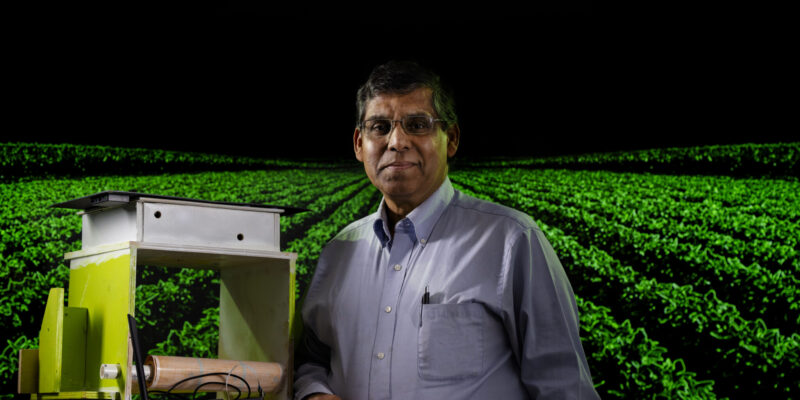
S&T researchers developing AI system to prevent pests, improve crop yield for rural farms
When many computer scientists say they are researching methods to stop bugs, they are likely referring to computer glitches and other issues. When Dr. Sajal Das from Missouri S&T says this, he is talking about the crawly and flying creatures afflicting agriculture operations.
Read More »
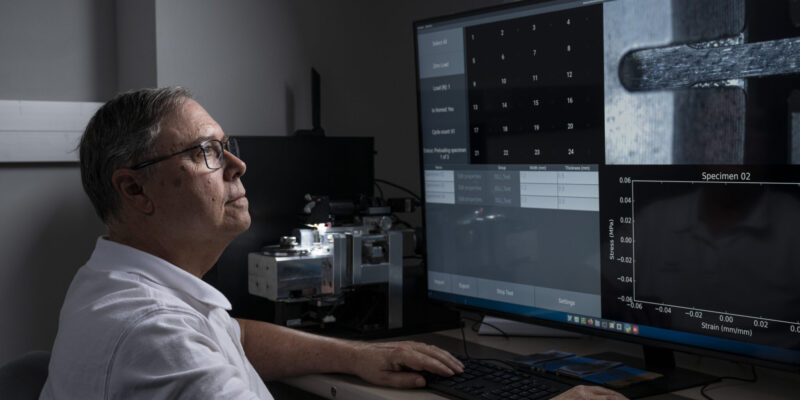
S&T researchers focus on containing fuel in nuclear reactors with $1 million in federal support
Researchers at Missouri S&T are studying the strength of bonds between a new less-enriched uranium fuel and the metals that will contain it — allowing nuclear research reactors to potentially transition to a fuel with a reduced risk of being targeted or stolen for malicious purposes.
Read More » Sports Headlines
- S&T Sets New Department Standard for Br. James Gaffney Distinguished Scholar Honorees
- Missouri S&T Shatters School Record with 381 GLVC All-Academic Honorees
- Twelve Miners Earn CSC Academic All-District Honors for Track & Field/Cross Country
- Fourteen Missouri S&T Teams Earn Team Academic All-GLVC Recognition
- Four from Men's Volleyball, Two from Men's Golf Earn CSC Academic All-District