Chemical and Biochemical Engineering
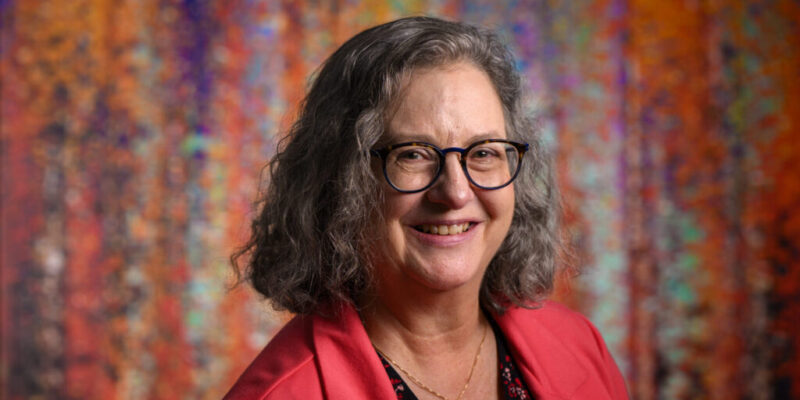
Luks named Curators’ Distinguished Teaching Professor
Dr. Christi Luks, a teaching professor and associate chair of the Linda and Bipin Doshi Department of Chemical and Biochemical Engineering at Missouri S&T, has been named a Curators’ Distinguished Teaching Professor.
Read More »
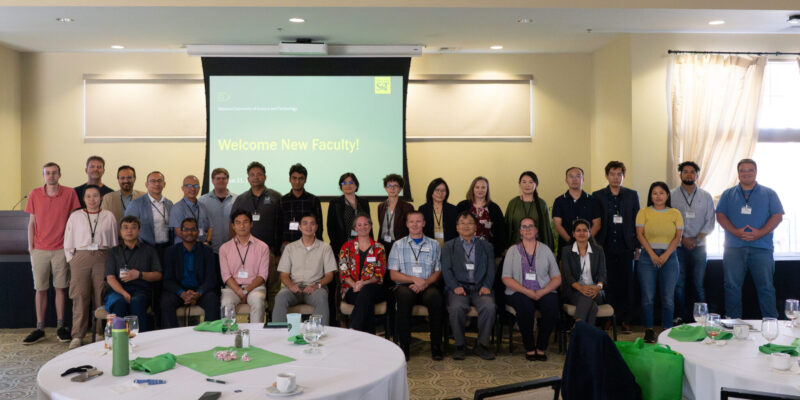
S&T welcomes new faculty
Missouri S&T welcomed over 30 faculty members this year. They bring a wide range of expertise that includes applications for artificial intelligence (AI) in health care, biomedical engineering, concrete sustainability, nuclear reactor safety and semiconductor design. The new faculty are:
Read More »
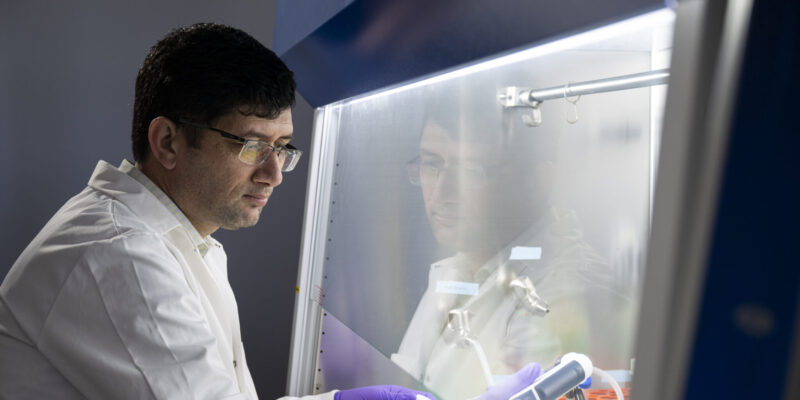
Seeing the ear’s battery: S&T research targets hearing loss diagnosis, treatments
It’s a common scene: Someone speaks, but listeners with hearing loss may find themselves asking “What?” or “Huh?” again and again. For millions of people, this happens every day, and it’s something Dr. Parveen Bazard, a Missouri S&T researcher, hopes to improve.
Read More »

Missouri S&T symposium in Morocco focuses on sustainable energy for Africa
Energy experts and researchers from around the world gathered in Marrakech, Morocco, this spring for Missouri S&T’s 4th International Laufer Energy Symposium to discuss the future of sustainable energy and the challenges facing Africa and the globe.
Read More »
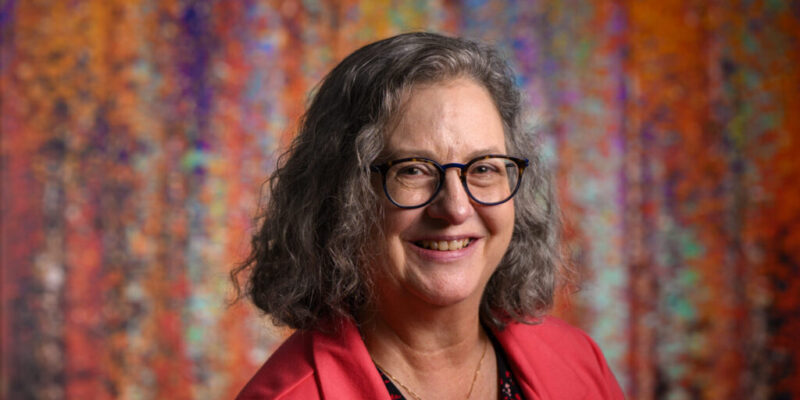
Missouri S&T professor takes helm as ASEE president
Dr. Christi Luks, a chemical engineering faculty member at Missouri S&T, is now president of the American Society for Engineering Education (ASEE). Luks’s term as president of the society began in June after its annual conference in Montreal, Canada.
Read More »
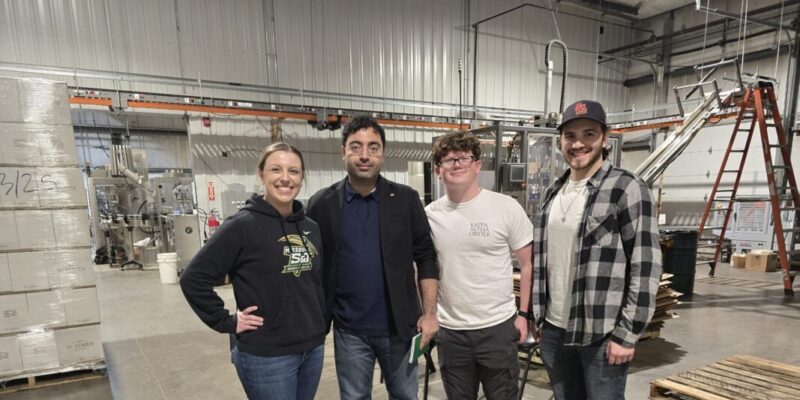
Chemical engineering students present wine fermentation research
S&T chemical engineering students Caleb Long and Thomas Niebrugge recently worked with Dr. Hossein Abedsoltan, assistant teaching professor of chemical and biochemical engineering, on a wine fermentation research project. The students visited St. James Winery, where S&T alumna Kendra Wood provided a tour of the wine-making process. Long and Niebrugge prepared a research poster that […]
Read More »Academy of Chemical and Biochemical Engineers inducts four new members
Four professionals with ties to chemical and biochemical engineering at Missouri University of Science and Technology were recently inducted into the university’s Academy of Chemical and Biochemical Engineers.
Read More »
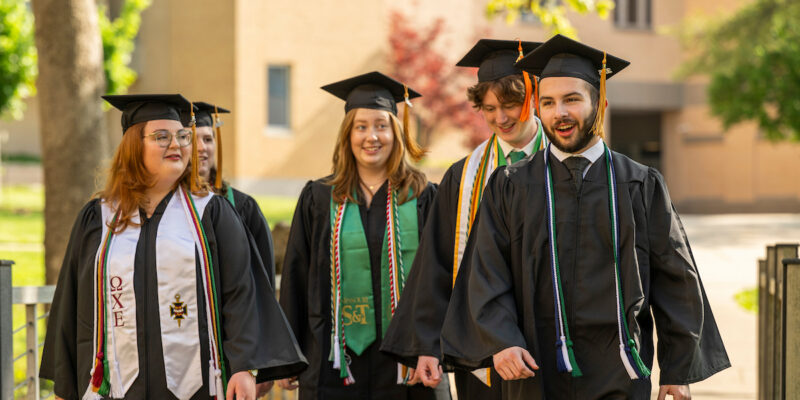
Meet the Class of 2025
Missouri S&T conferred more than 1,000 degrees to graduates May 16-17. A dozen of them spoke with us about their experiences and plans.
Read More »
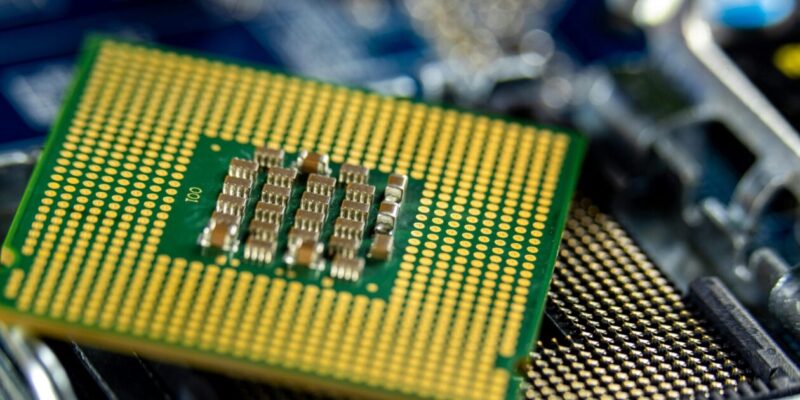
The push to restore semiconductor manufacturing faces a labor crisis − can the US train enough workers in time?
Semiconductors power nearly every aspect of modern life – cars, smartphones, medical devices and even national defense systems. These tiny but essential components make the information age possible, whether they’re supporting lifesaving hospital equipment or facilitating the latest advances in artificial intelligence.
Read More » Sports Headlines
- Wells and Bradley Jr. Set to Represent S&T at Annual GLVC Football Kickoff Tomorrow
- S&T's Owen Fraser Named Academic All-America of the Year for NCAA Division II
- Missouri S&T Athletics Partners with vivenu for New Digital Ticketing Platform
- 2026 Miner Athletic Hall of Fame Induction Class Announced
- S&T Men's Basketball Earns Team Academic Excellence Awards; Five Miners Named to Honors Court