Seeing the environment through a different lens
Posted by Peter Ehrhard
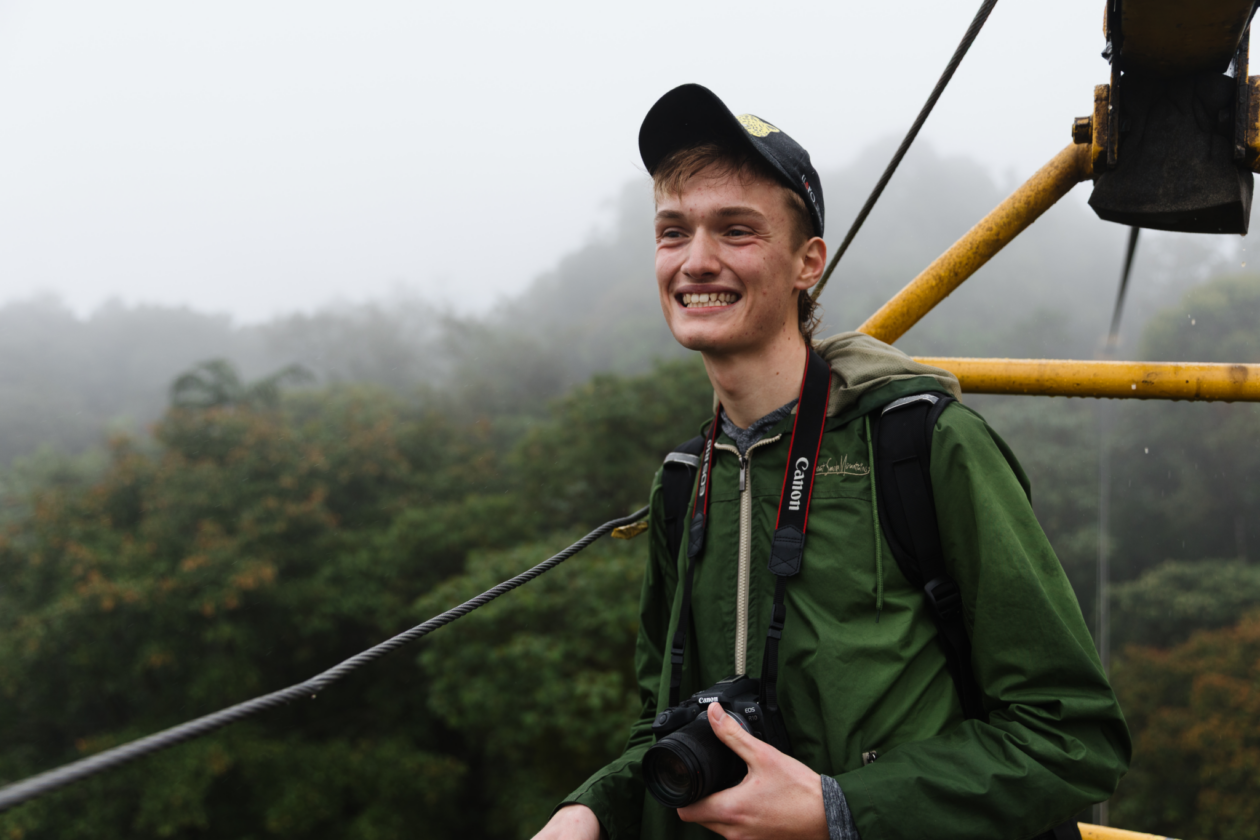
Zach Beers in Ecuador. Photo by Anistyn Stennett, Missouri S&T.
After getting a chance to photograph the rainforests of Ecuador, Missouri S&T undergraduate Zach Beers will change his equipment and prepare to shoot photos of urban landscapes this summer as he heads to Detroit for an internship.
“This is the time to experiment before I choose a career path, so I would like to work in different roles and find what I like the most,” says Beers. “I will head to Rocket Mortgage, where I will be a photography intern this summer.”
Beers, a junior in environmental science from St. Louis, is not new to the world of internships. Last summer, he interned with the Missouri Department of Conservation as a naturalist intern, where he shadowed wildlife biologists and studied fish resource and population management. He also helped host education programs for K-12 students and the general public.
“I could really see myself doing that naturalist work for a living,” says Beers. “I also shadowed a conservation agent all over the state, which was interesting given the amount of travel and the variety of natural locations I got to witness.”
A love of photography guides him
At Missouri S&T, Beers initially started in the mechanical engineering program before switching to environmental science, where he has more opportunities to combine his favorite hobby with his classroom research.
“Growing up, I loved to create and edit movies, and I used to photograph high school sports, so when I came to S&T, I decided to join the Photography Club,” says Beers.
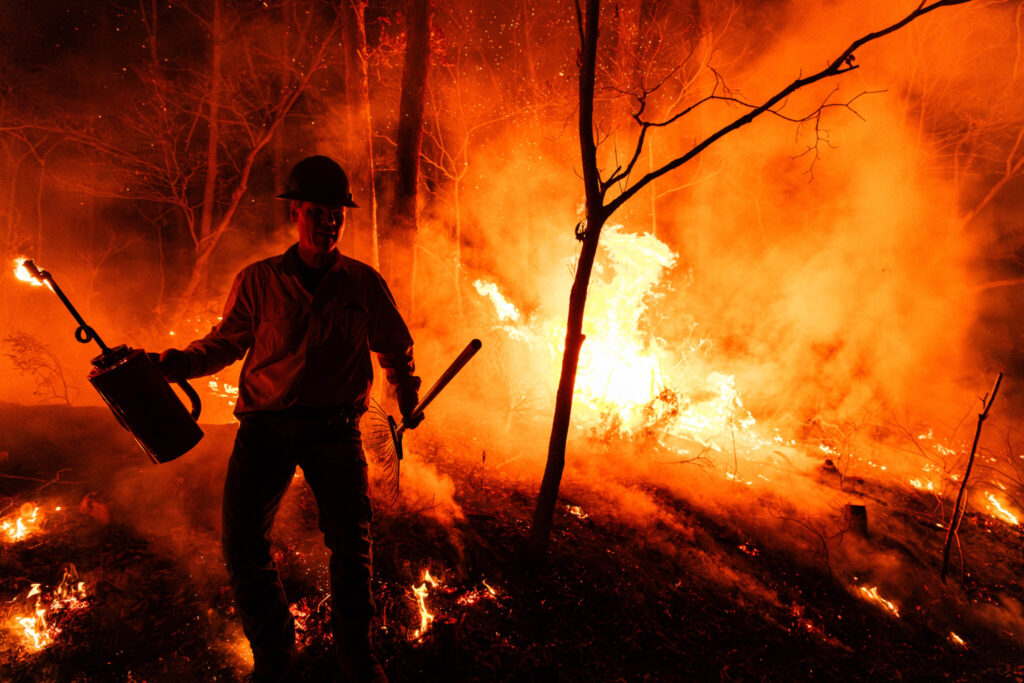
He is now president of the club and a student photographer for the university’s marketing and communications department. Through his work at Missouri S&T, he has recently earned top-five honors for three months in a row from the University Photographers’ Association of America – Student and Associate category.
“I really like the environmental aspect of photography and taking photos of people enjoying nature,” says Beers. “Like photographing any of the university clubs that have an outdoor focus like rock climbing, and also covering conservation stories when they come up.”
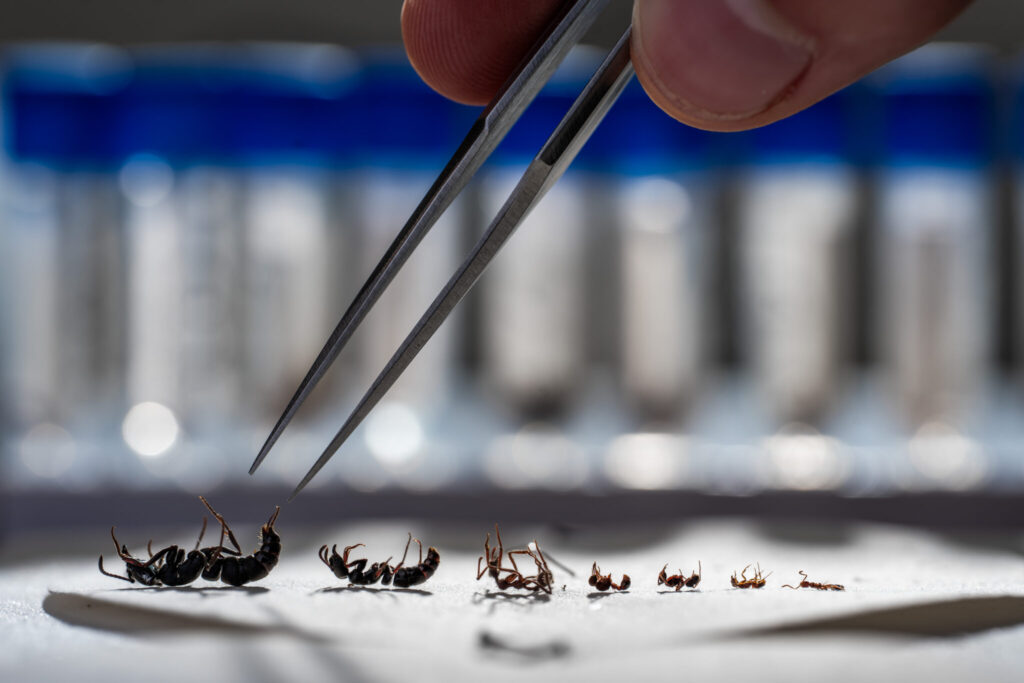
Beers was attracted to the environmental science program after volunteering at a clean-up day at the S&T Ozark Research Field Station, where he then met program director Dr. Robin Verble. After talking with her, he decided to pursue the newly established degree.
Oh, the places you’ll go
Since meeting Verble, Beers has had a whirlwind experience in the program. Over the recent winter break, he went on a two-week immersive study abroad trip to Ecuador with fellow environmental science students.
“I was excited for the opportunity to have hands-on experience with native wildlife along with learning about the communities in the area,” says Beers. “And, to capture it all through my lens while there was the cherry on top.”
His adventure started with a weeklong stint in the middle of the Amazon Rainforest at the Tiputini Biodiversity Station – an active research station for biodiversity. To reach the station, Beers’ group had to took a two-hour boat ride up the Napo River, then a two-hour bus ride through the rainforest, and finally another two-hour boat ride along the Tiputini River to arrive at the destination.
“One of my favorite memories of my time in Ecuador was on our last day at Tiputini, when it began to rain for the first time of our entire trip,” says Beers. “As the rain picked up, I found shelter on the second floor of the library to sit and listen to the rain. This quiet moment reminded me that in the midst of all the activities and assignments, I sometimes forgot to be grateful and observant of the this special place that I was in.
“As I sat there, I took time to appreciate nature’s beauty and the Tiputini Biodiversity Station as a whole,” says Beers. “Without the research station, I wouldn’t have had such a genuine and authentic experience of the Amazon rainforest. By having the opportunity to hike and conduct detailed, focused research in the forest, I felt I was able to develop a real connection with the environment.”

Posted by Peter Ehrhard
 Sports Headlines
- Wells and Bradley Jr. Set to Represent S&T at Annual GLVC Football Kickoff Tomorrow
- S&T's Owen Fraser Named Academic All-America of the Year for NCAA Division II
- Missouri S&T Athletics Partners with vivenu for New Digital Ticketing Platform
- 2026 Miner Athletic Hall of Fame Induction Class Announced
- S&T Men's Basketball Earns Team Academic Excellence Awards; Five Miners Named to Honors Court
Leave a Reply