Engineers Week Q&A: Hail to the chief — Dr. Christi Luks
Posted by Greg Edwards
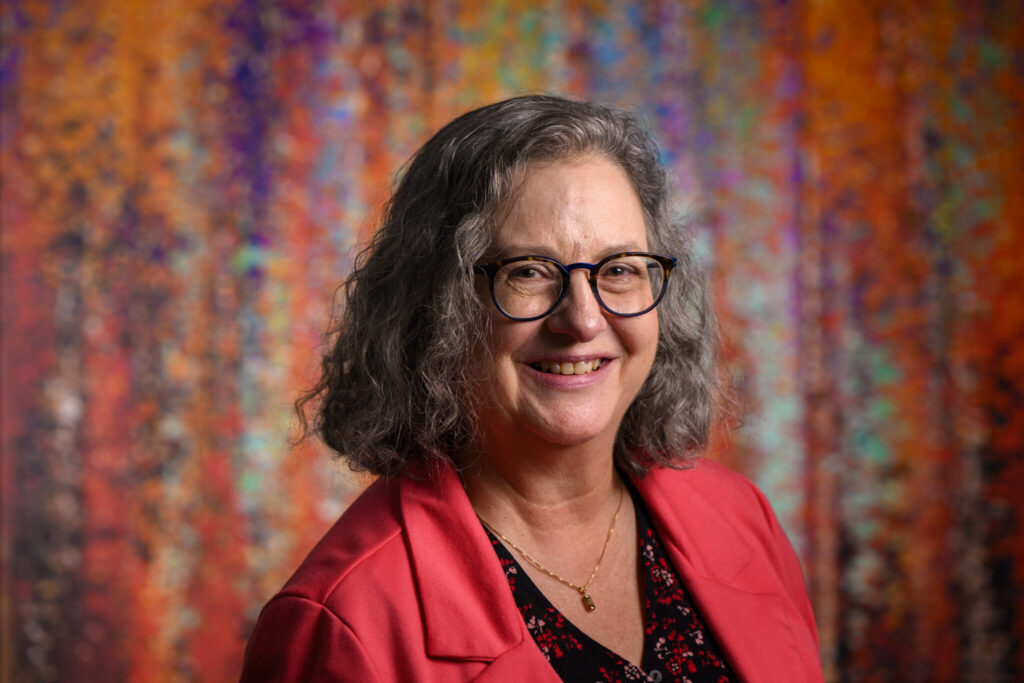
Christi Luks has been a Missouri S&T faculty member since 2014. Photo by Michael Pierce/Missouri S&T.
Dr. Christi Luks is a Curators’ Distinguished Teaching Professor in Missouri S&T’s Linda and Bipin Doshi Department of Chemical and Biochemical Engineering and serves as president of the American Society for Engineering Education (ASEE). Here is a Q&A with Luks in commemoration of National Engineers Week 2026.
What are you working to advance in your role as this year’s ASEE president?
One focus of my work is helping engineering programs remove barriers that prevent capable students from pursuing engineering degrees. Students from rural communities or schools with fewer college preparatory opportunities may not follow traditional pathways, but that does not mean they cannot succeed. By supporting effective teaching practices and a more adaptable curriculum, we can strengthen both student success and the future engineering workforce.
Can you explain the importance of engineering educators being adaptable in their approach to teaching and curriculum development?
Engineering education continues to evolve as students arrive with a wider range of backgrounds and enter a workforce with rapidly changing expectations. Our curriculum and teaching methods must evolve as well. We need flexible pathways that help students succeed while preparing them to adapt, collaborate and continue learning throughout their careers. Today’s students are entering a very different world than the one most current educators experienced when they were in school themselves, and we must recognize that reality.
Your primary focus as a professor is on teaching and student learning. What are your thoughts on having an ASEE president with this background?
Earlier in my career, choosing a position centered on teaching rather than a tenure-track role was not the norm. I am proud to represent faculty whose primary focus is student learning and to help challenge the idea that this path is somehow lesser. I chose this role because working directly with students is where my strengths lie, just as others focus primarily on research. Strong engineering education depends on valuing both contributions.
The 2026 Engineers Week theme is “Transform Your Future.” How does engineering education help students transform their futures?
Engineering education gives students the tools to transform both their own futures and the future of the profession. When students learn to think critically, solve problems and work collaboratively, they gain the confidence to take on complex challenges. Our responsibility as educators is to help all students develop the skills they need to succeed and truly recognize the difference they can make as engineers and the responsibility that comes with it.


Leave a Reply