Why AI is driving an energy boom: Missouri S&T expert explains
Posted by Kaitlin Brothers
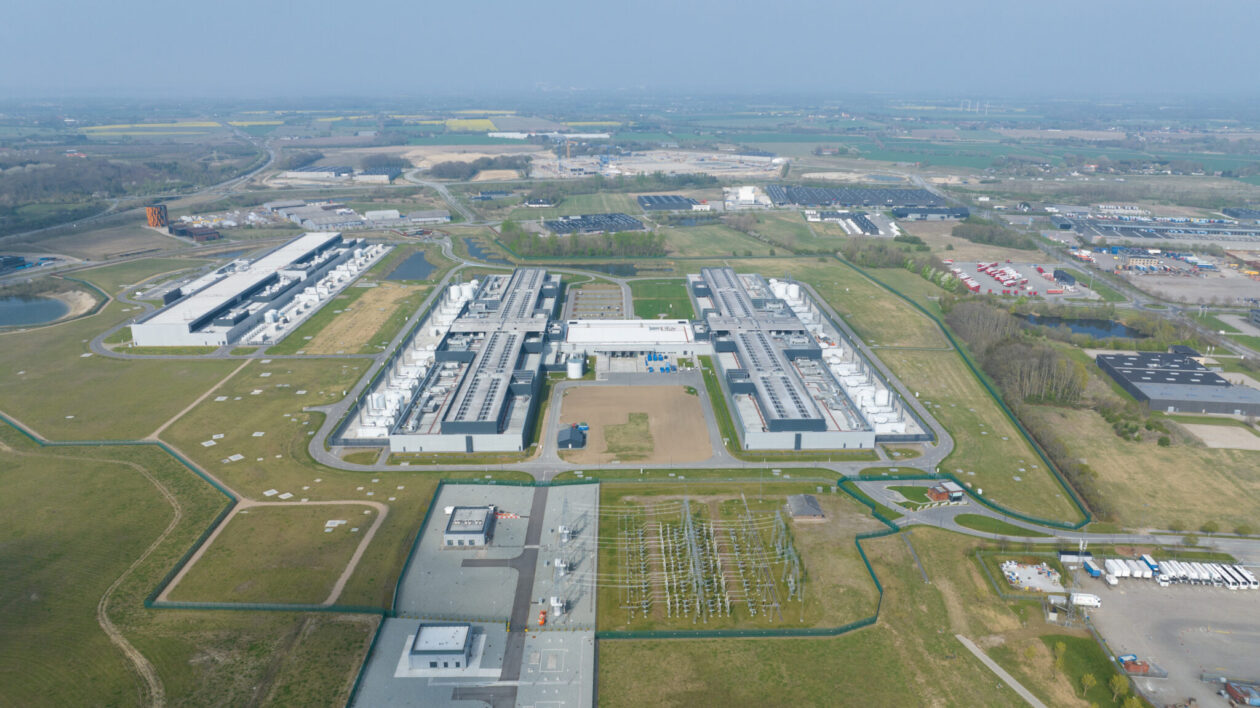
A data center in Odense, Denmark. Photo by Adobe Stock.
Artificial intelligence (AI) is transforming the world at top speed, and behind the breakthrough lies a growing demand for electrical power. As data centers expand, questions about energy supply, infrastructure and innovation are important aspects to be considered.
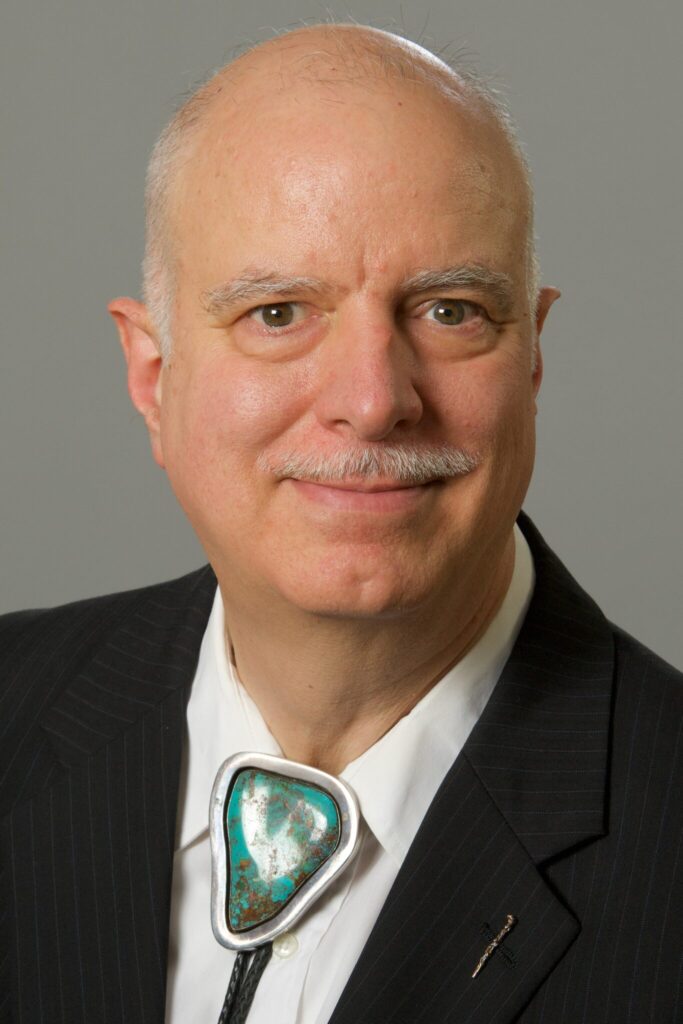
To better understand this demand, Missouri S&T Kummer College Dean Jim Sterling recently had a chat with Dr. Donald Wunsch, professor and director of the Kummer Institute Center for Artificial Intelligence and Autonomous Systems at S&T, who’s spent more than 25 years working at the intersection of AI and energy.
In this Q&A, Wunsch breaks down what the future might hold for AI power needs, and how S&T could help.
What research are you pursuing around AI’s growing power demands?
Our institution has extraordinary expertise. We’re researching AI topics such as multi-objective optimization, time series analysis, multi-arm bandit models in reinforcement learning, imbalanced data analysis and unsupervised learning for complexity reduction. We have multiple faculty experts in every individual topic, which few universities can say.
Clayco, an S&T partner, is helping build more than 55 data centers that will need three gigawatts of power. The country may need 100 more gigawatts by 2029. How will we meet this kind of demand?
For nearly two decades, the U.S. has talked about an “all of the above” approach for energy leadership. Real progress has been mixed, but the country has woken up to the dire need for upgrading generation and transmission capacity. This requires more power plants and locations for data centers.
Electricity markets are being disrupted by data centers, and the demand to build more of them is soaring. Right now, nine out of 10 companies by market capitalization are AI firms. The oil companies aren’t even a footnote.
These companies want nuclear power, and they are going to get it. Missouri S&T is in a good position to help. Fred Kummer was prescient in his encouragement of the university to embrace entrepreneurship, and the Kummer College is doing as much as any university unit to encourage and support this opportunity. Meeting the demand is a recognized need and our nation will rise to the need as we always have existential challenges. The Kummer Institute Center for Artificial Intelligence and Autonomous Systems and S&T have much to offer for these solutions.
We’re told the human brain uses very little energy to think. We wonder if computers in the future will need a lot less power to learn, even though it seems they need more. What are your thoughts?
That’s right! Our brains use about 20 watts regardless of task difficulty, which in the bad old days of incandescent bulbs was a night light. So, “dim bulb” is no longer an insulting brain metaphor, but the ultimate compliment! But you’re also right, recent scaling is just accelerating. I’m interested in biologically-motivated AI for that reason. But even if we succeed, it won’t be at the 20-watt level, so you can expect massive power demands of data centers to continue for the foreseeable future.
How could S&T plan for this change? Is Missouri poised to participate or benefit in any unique way?
We should keep up the good work. As mentioned above, S&T’s leaders have fully embraced Fred Kummer’s entrepreneurial vision. That stemmed from a deep recognition of what was in our institutional DNA all along. We’ve always had a David-and-Goliath capability to imagine things that others missed, and do things that others didn’t.
The transformations needed in AI and energy will together determine which nations and institutions are leaders for more than the next century. Our job is to make sure it happens here. Also, we can be part of a more responsible, anti-hype approach to AI. Much of what you hear about AI is thickly-ladled hype. An antidote is my personally-curated website.

Posted by Kaitlin Brothers
 Sports Headlines
- Four from Men's Volleyball, Two from Men's Golf Earn CSC Academic All-District
- Record-Setting Season Earns Nelson CSC Academic All-America Recognition
- Miners Finish in Top 100 for Learfield Directors’ Cup for Fourth Consecutive Season
- S&T's John Kean Wins CSC Writing Contest
- Missouri S&T Releases 2026 Men’s Soccer Slate
Leave a Reply