Inside Kummer College: A conversation on entrepreneurship and impact
Posted by Kaitlin Brothers
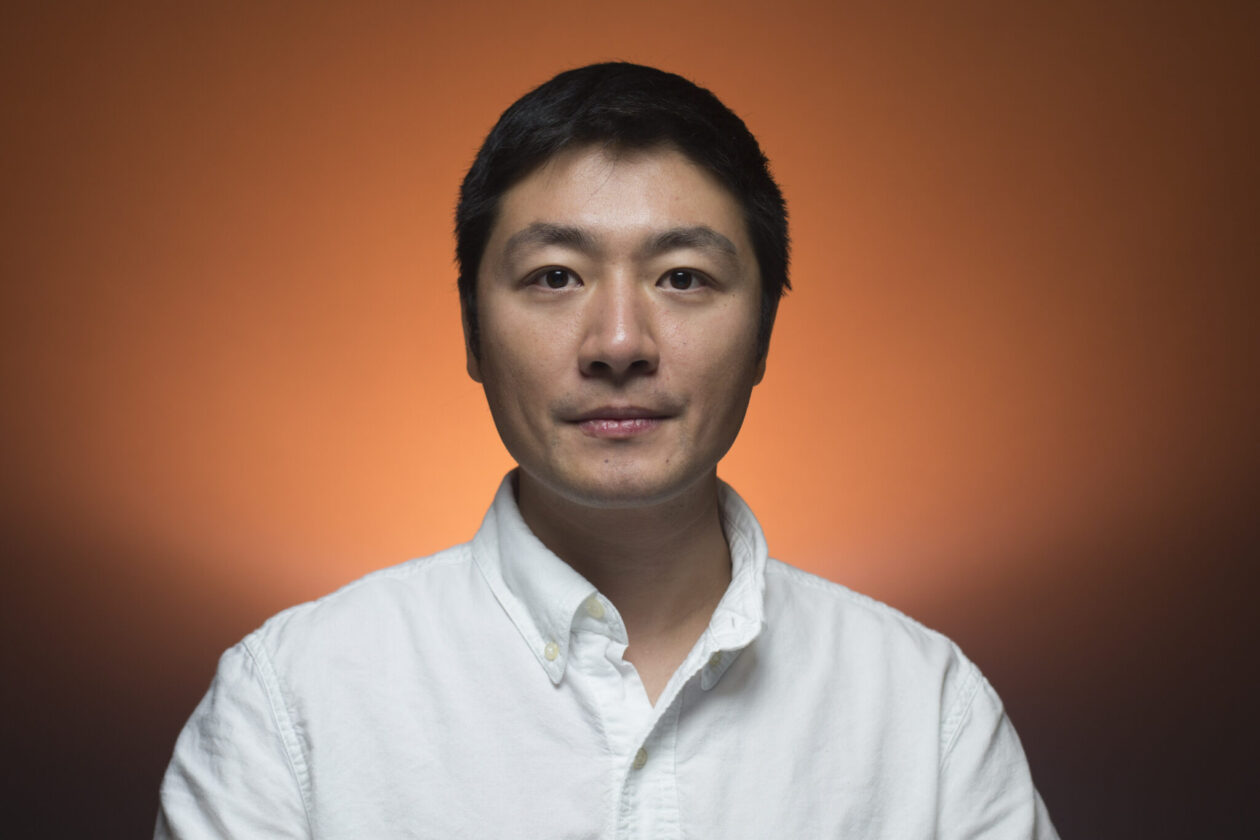
Dr. Chevy Fang, associate professor of business and information technology at the Dennis and Janet Jaggi School of Business. Photo By Sam O’Keefe/Missouri S&T.
Innovation. Entrepreneurship. Economic development. These principals are what defines Kummer College’s mission, but how do they work together to shape the future of Missouri S&T and the region?
In this Q&A, Kummer College Dean Jim Sterling chats with Dr. Chevy Fang, associate professor of business and information technology at the Dennis and Janet Jaggi School of Business, to discuss the connections between research and practice, the role of family businesses to affect regional growth and how students can prepare to lead through entrepreneurship.
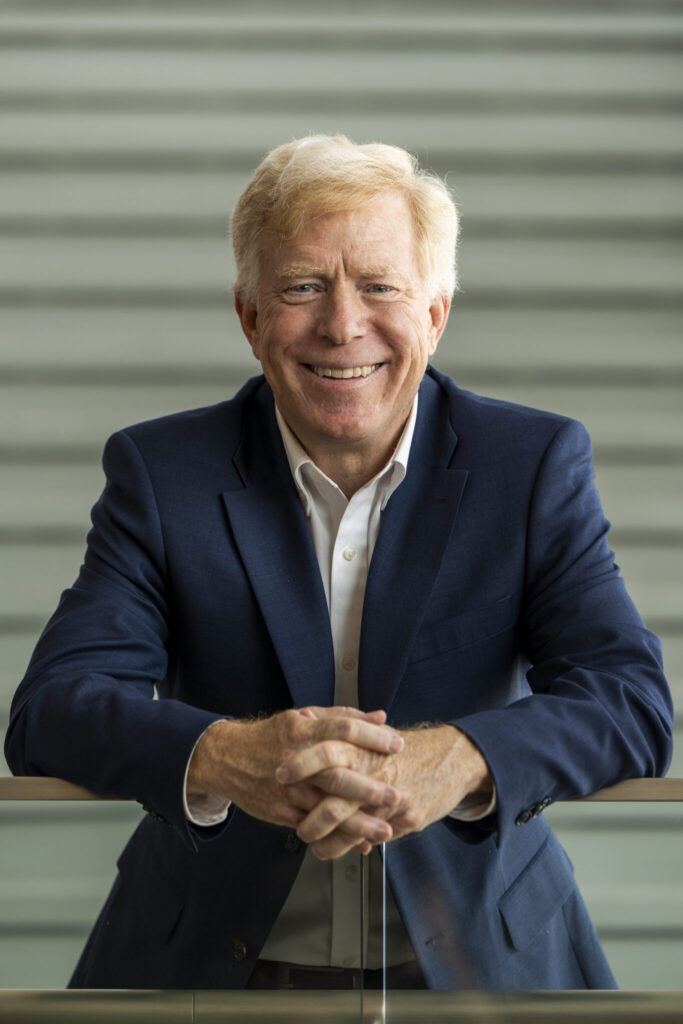
Sterling: Kummer College brings together innovation, entrepreneurship and economic development. How do you distinguish these three ideas, and how do they reinforce one another?
Fang: Innovation involves developing or applying new ideas that improve products, services, processes or organizations. Entrepreneurship is the process of recognizing an opportunity and acting on it under uncertainty by assembling resources and creating value. It can occur through a new venture, but it can also take place within an established company, a family business or even a university. Economic development is broader because it concerns how these activities build productive capacity, employment, knowledge and opportunity within a community or region. Put simply, innovation creates new possibilities, entrepreneurship turns those possibilities into action and economic development occurs when the resulting value becomes sustained and widely shared in our community.
Sterling: Kummer College places considerable emphasis on applying scholarship and engaging practitioners. What does that applied orientation look like in practice, and why does it matter?
Fang: Being applied does not mean being less scholarly. It means using rigorous research to address consequential problems while allowing practical experience to inform the questions we study. Practitioners bring knowledge of current challenges, constraints and opportunities, while faculty contribute theories, evidence and analytical tools that help make sense of those experiences. Students benefit when these perspectives come together through classroom projects, internships, mentoring, case studies and direct engagement with organizations. Kummer College and the Jaggi School are particularly well positioned to create these connections because Missouri S&T combines deep technological expertise with business, entrepreneurship and economic-development capabilities.
Sterling: Your research examines entrepreneurship, ownership, governance and family firms. What central insight connects these different areas of your research?
Fang: A central question in my research is how ownership and governance influence the decisions firms make under uncertainty. Family firms provide an especially revealing setting because family relationships, economic objectives, identity and control are often closely intertwined. Features such as concentrated ownership, long-term commitment and concern for reputation can encourage patient investment, resilience and responsible stewardship. At the same time, the desire to preserve family control or avoid conflict can sometimes constrain financing, innovation, succession or strategic change. My research therefore does not assume that family ownership is inherently beneficial or harmful; it examines the conditions under which particular family-firm characteristics become strengths or vulnerabilities.
Sterling: St. Louis is known for its strong network of longstanding and multigenerational family enterprises. What role can these businesses play in the regional economy, and how can their presence benefit S&T students?
Fang: Longstanding family firms can serve as important regional anchors because their owners often have deep relationships with local employees, suppliers, customers and communities. Their focus on long-term success may encourage them to preserve specialized knowledge, reinvest locally and maintain operations through periods when more mobile corporations might relocate or restructure. However, continuity is never automatic, as these firms must manage succession, professionalization, technological change and renewal across generations. For our students, family enterprises offer opportunities to understand issues that are sometimes less visible in large public corporations, including ownership, governance, succession, reputation and long-term strategic commitment. Through internships, applied projects, mentoring and research partnerships, Kummer College and the Jaggi School can help students contribute to these firms while also helping the firms prepare for their next generation of leadership and growth.
Sterling: Some family business owners describe their companies as enterprises they intend to preserve for generations rather than eventually sell. What can entrepreneurs and business students learn from that perspective?
Fang: An intention to retain a business across generations changes how owners think about investment, reputation, employees and relationships with the community. Rather than concentrating only on a future sale or short-term financial return, these owners may place greater emphasis on resilience, stewardship and the preservation of capabilities that will remain valuable over time. That perspective can teach entrepreneurs to consider not only how a venture is created, but also what kind of institution it may eventually become. At the same time, a long-term orientation must not become resistant to change. Firms that intend to endure must continually innovate, develop professional governance and prepare future leaders who can preserve the organization’s values while adapting its strategies.

Posted by Kaitlin Brothers
 Sports Headlines
- Missouri S&T Football Places Fourth in GLVC Preseason Poll
- Wells and Bradley Jr. Set to Represent S&T at Annual GLVC Football Kickoff Tomorrow
- S&T's Owen Fraser Named Academic All-America of the Year for NCAA Division II
- Missouri S&T Athletics Partners with vivenu for New Digital Ticketing Platform
- 2026 Miner Athletic Hall of Fame Induction Class Announced
Leave a Reply