I&E Fellows: Where are they now? Meet Radwa Eissa, assistant professor
Posted by Kaitlin Brothers

Radwa Eissa is from Cairo, Egypt. She graduated from Missouri S&T with a Ph.D. in civil engineering in 2025 as one of the first Kummer I&E Fellows. Pictured is Eissa at S&T’s Celebration of Nations. Photo by Michael Pierce/Missouri S&T.
A family of architects
When Dr. Radwa Eissa was growing up in Cairo, Egypt, conversations about building design were part of daily life. And with several architects in her family, she decided to follow that path.
Her family usually worked with the design aspect, but she took a slightly different route.
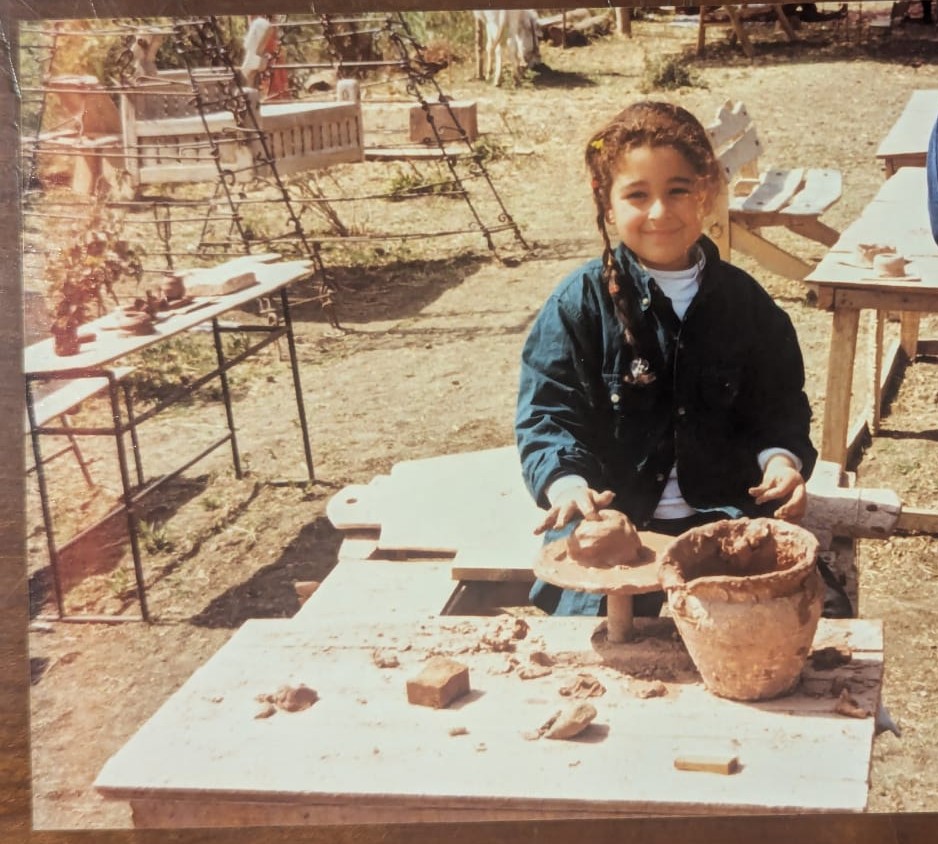
“I found myself drawn more to construction,” Eissa says. “I’ve always loved math.”
That interest led her halfway around the world to pursue a doctoral degree in civil engineering at Missouri S&T as part of the inaugural cohort of the Kummer Innovation and Entrepreneurship (I&E) Doctoral Fellows program.
One of nine Kummer I&E Doctoral Fellows at the time, she graduated in July 2025.
“I was friends with all of them, which made the experience really special,” she says. “While doctoral programs can sometimes feel quite individual-focused, our group built a strong sense of community. I truly enjoyed learning alongside my peers, and I gained so much from those interactions.”
A focus on sustainability
Eissa’s research focuses on making construction more sustainable by reducing waste and using materials more efficiently. She studies how buildings are planned, built and eventually reused or renovated and looks for ways to design projects that waste fewer resources throughout their entire life cycle.
Much of her work explores the concept of a circular economy, which focuses on keeping materials in use for as long as possible instead of discarding them after a project is completed.
By studying the growth of commercial buildings across the United States, Eissa analyzes where the construction industry is already making progress and where improvements are still needed. The goal is both practical and environmental.
“We live on a planet with finite resources,” she says. “Thinking more carefully about how we use them also makes sense from a cost-efficiency perspective.”
Shaping the next generation
Today, Eissa helps shape the next generation of engineers as an assistant professor of civil engineering at Clemson University in South Carolina. Since she began graduate school, she knew academia was the right path for her.
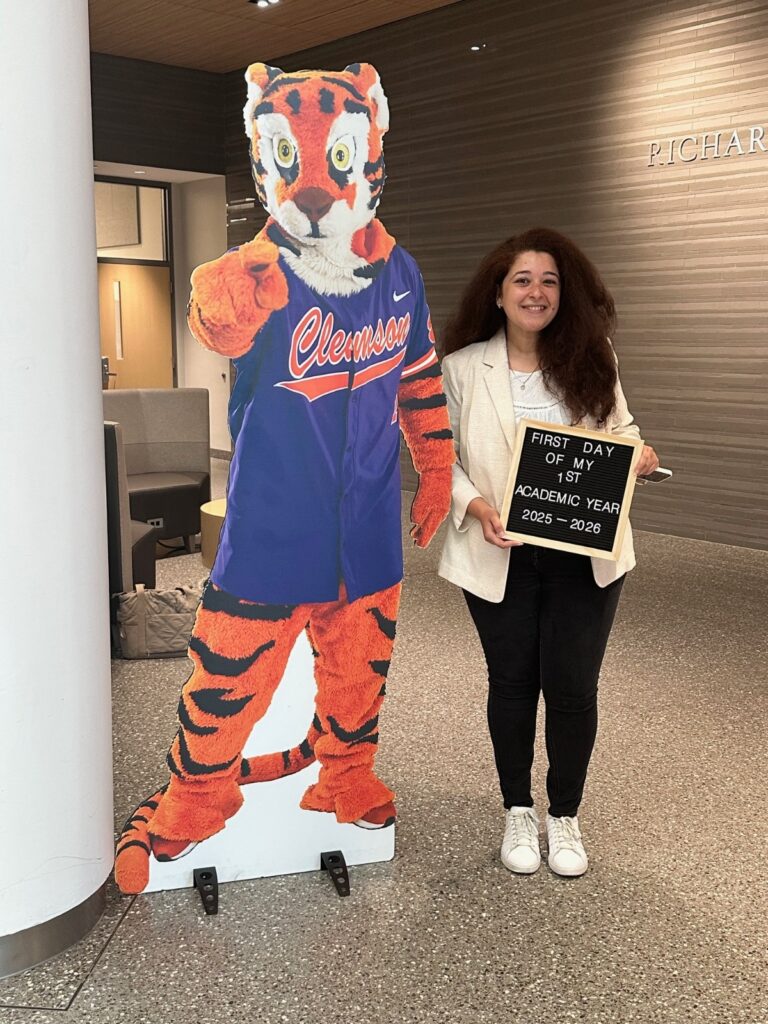
“I did work in the industry for two years after I finished undergrad, but I wanted to explore research more,” Eissa says. “And being a graduate student introduced me to the teaching element of it, and I really enjoyed that.”
Eissa says a career in academia allows her to stay connected to the construction industry while pursuing research and teaching.
“Working in academia, especially in civil engineering and construction management, I’m still tied to the industry,” she says. “I’m still exploring how projects perform in practice, which keeps the research meaningful and relevant.”
In the future, she hopes to expand her research while continuing to teach and mentor students. She also plans to get more involved in organizations like the American Society of Civil Engineers.
Her advice: get involved
When asked what advice she would give new students entering the Kummer I&E Doctoral Fellows, Eissa says the most important thing is to stay engaged and involved.
“As a Ph.D. student, there’s often more flexibility in how involved you are outside your research,” she says. “But as part of the Kummer I&E Doctoral Fellows program, it’s important to take advantage of the resources available. Attend the meetings, go to the guest speakers and participate in volunteer opportunities, because you never know what doors those experiences might open.”
Eissa says building connections through the program can make a difference during the experience of earning a doctoral degree.
“Don’t isolate yourself. It can be tough pursuing a Ph.D. on your own,” she says. “Your cohort, along with other friends and peers you meet along the way, can become some of your biggest allies.”

Posted by Kaitlin Brothers
 Sports Headlines
- Miners Hosting Jamestown for GLVC Pair; Senior Day on Saturday
- Retired Administrator Debbie Hickey to be Inducted into the Missouri Sports Hall of Fame
- Baseball Set for Road Tilt at Truman
- Edmonds Continues Dominant Season with Fifth GLVC Weekly Honor
- Miners Open Outdoor Season Hosting 2026 Miner Invitational
Leave a Reply