Research
New psychology book examines how people compare AI versus humans
A new book by a Missouri S&T psychologist shares insights into the cost of disregarding artificial intelligence’s (AI) outcomes as being worth less than an actual person’s. These outcomes may be advice, evaluations of other people, harmful decisions, artistic creations or relational interactions.
Read More »

Missouri S&T, Idaho National Laboratory launch research partnership
Missouri S&T and the Idaho National Laboratory have signed a new collaboration aimed at advancing research and educational opportunities. This partnership has been formalized through a memorandum of understanding highlighting their joint commitment to the Strategic Understanding for Premier Education and Research (SUPER) initiative.
Read More »
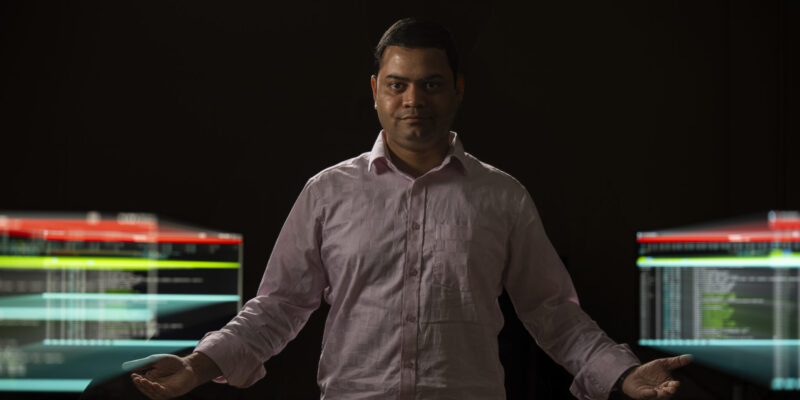
Big data: S&T researcher paving new paths for more efficient transfers
When long-haul truckers hit the road with their freight, they often rely on GPS to help them find the best possible routes and adjust in real time. So why can’t the online systems for transferring large datasets, which typically rely on predetermined settings and don’t adjust in real time, take a similar approach?
Read More »Karslake named associate vice chancellor for innovation, entrepreneurship and commercialization
Dr. Christine Karslake, a seasoned leader in innovation, entrepreneurship and venture capital, has joined Missouri S&T as associate vice chancellor for innovation, entrepreneurship and commercialization.
Read More »
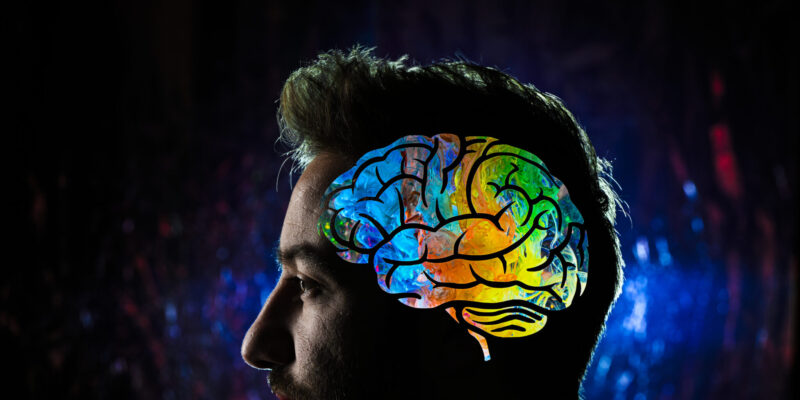
Traumatic brain injuries have toxic effects that last weeks after initial impact − an antioxidant material reduces this damage in mice
Traumatic brain injury is a leading cause of death and disability in the world. Blunt force trauma to the brain, often from a bad fall or traffic accident, accounts for the deaths of over 61,000 Americans each year. Over 80,000 will develop some long-term disability.
Read More »
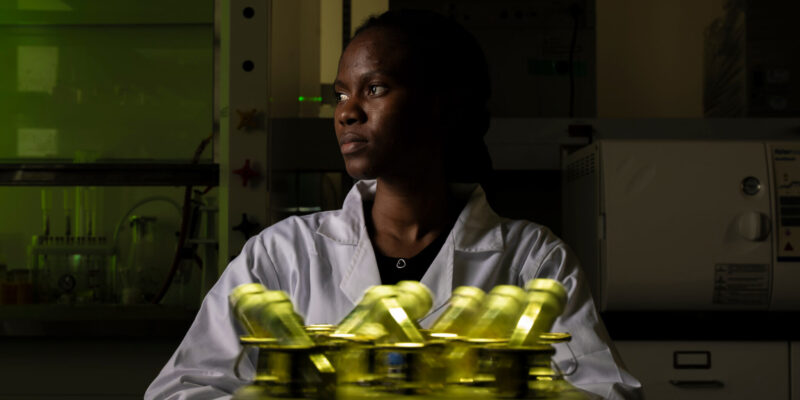
How many forever chemicals are in your local fish populations?
Substances known as “forever chemicals” are widely used, long-lasting chemicals that break down very slowly over time, such as Teflon. The technical name of forever chemicals is perfluoroalkyl and polyfluoroalkyl substances (PFAS) and they are found in water, air, fish and soil at locations around the world. Despite their prevalence, the extent of their impact on the environment is still not fully known.
Read More »
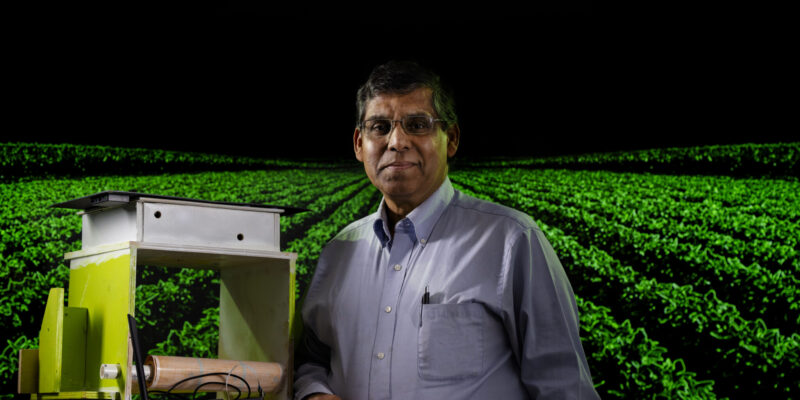
S&T researchers developing AI system to prevent pests, improve crop yield for rural farms
When many computer scientists say they are researching methods to stop bugs, they are likely referring to computer glitches and other issues. When Dr. Sajal Das from Missouri S&T says this, he is talking about the crawly and flying creatures afflicting agriculture operations.
Read More »
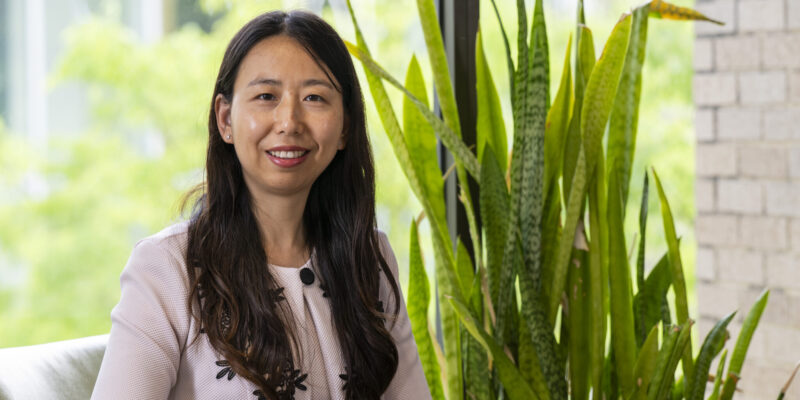
S&T researcher investigates small-class effects on science achievement
Many factors affect a high school student’s ability to excel in science classes. Smaller classroom sizes are generally thought to improve most subjects’ lessons, especially reading and mathematics, but few studies have been conducted that look at science achievement.
Read More »
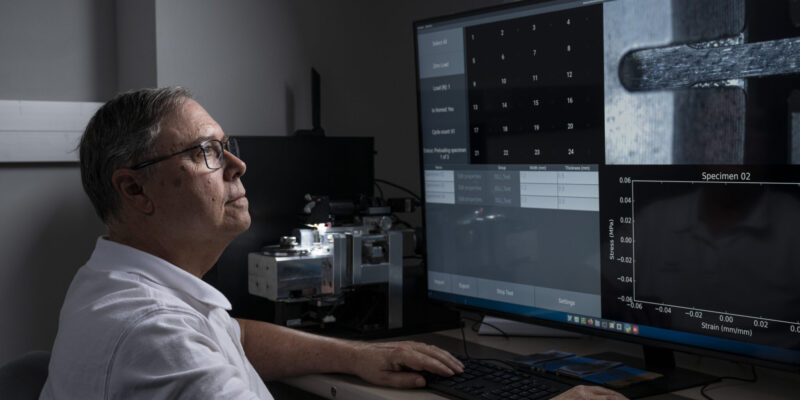
S&T researchers focus on containing fuel in nuclear reactors with $1 million in federal support
Researchers at Missouri S&T are studying the strength of bonds between a new less-enriched uranium fuel and the metals that will contain it — allowing nuclear research reactors to potentially transition to a fuel with a reduced risk of being targeted or stolen for malicious purposes.
Read More »New book examines the spread of rumors to slaves and rebels in early America
A new book by a Missouri S&T professor examines a period of slave unrest that stretched from the islands of the Caribbean to New York City in the first half of the eighteenth century. Dr. Justin Pope’s newest book, Dangerous Spirit of Liberty: The Politics of Slaves and Rebels in Early America and the West […]
Read More » Sports Headlines
- Golf Starts Three-Day Tournament at Ken Partridge Invitational Tomorrow
- Baseball Extends Streak to 15; Three Miners Eclipse 100 Hits
- Edmonds and Sallade Record Milestones as Miners Win 7th Straight
- Volleyball Extends Streak to Six; Improves to 7-2 in GLVC
- Baseball Racks Up 25 Hits in Doubleheader Victory Over SBU; Win Streak Now at 14